
Kinmundy Businesses (around 1990's - current)
Kinmundy, Marion County, Illinois
(Note: Since there are so many images, these have been divided up into several
books for the website.
Remember that you can also use CTRL-F to find a particular
surname within these pictures when you are on the page.)
We are
looking for photos of people and/or places from around Kinmundy & Alma.
Can you help?
Or maybe you have
stories or memories from the "Good Old Days"? What do YOU remember?
The Kinmundy Historical Society would be honored to preserve your memories and
stories. We also have the
equipment to scan (or copy) your photos so that
they may be enjoyed now as well as for generations yet to come!
We
would love to hear from you! For more information, please contact:
Dolores (Ford) Mobley –
fordmobley@gmail.com
208 Joan Dr.; Divernon, IL 62530;
(217) 494-7527
or
Gladys (Corrie) See –
gsee49@yahoo.com
408 S. Washington
St.; Kinmundy, IL 62854; (618) 547-7731
Click to return to

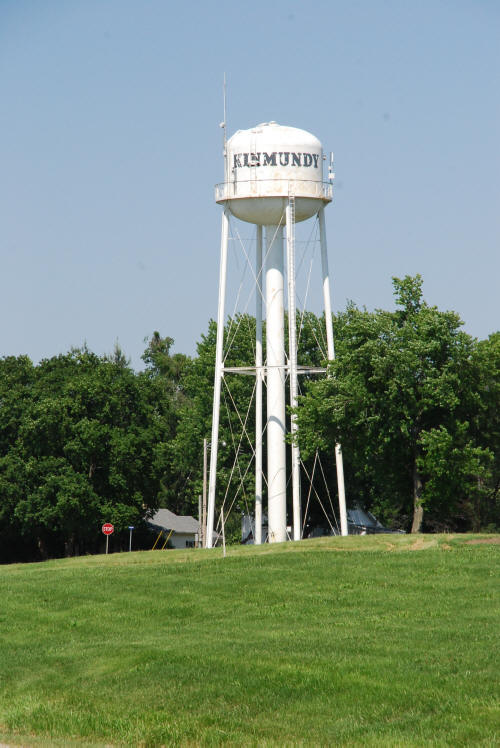
Kinmundy Water Tower - May 30, 2011
.jpg)
.JPG)
Kinmundy pamphlet
.jpg)
.jpg)
.jpg)
.jpg)
.jpg)
.jpg)
.JPG)
2009
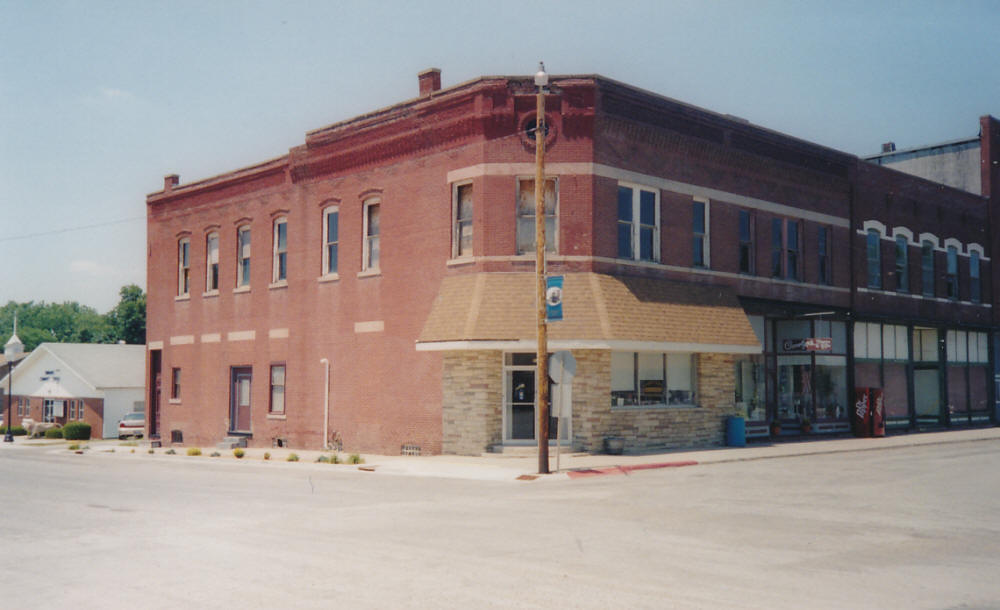
2007
.JPG)
2009
.JPG)
2009
.JPG)
2009
.JPG)
2009
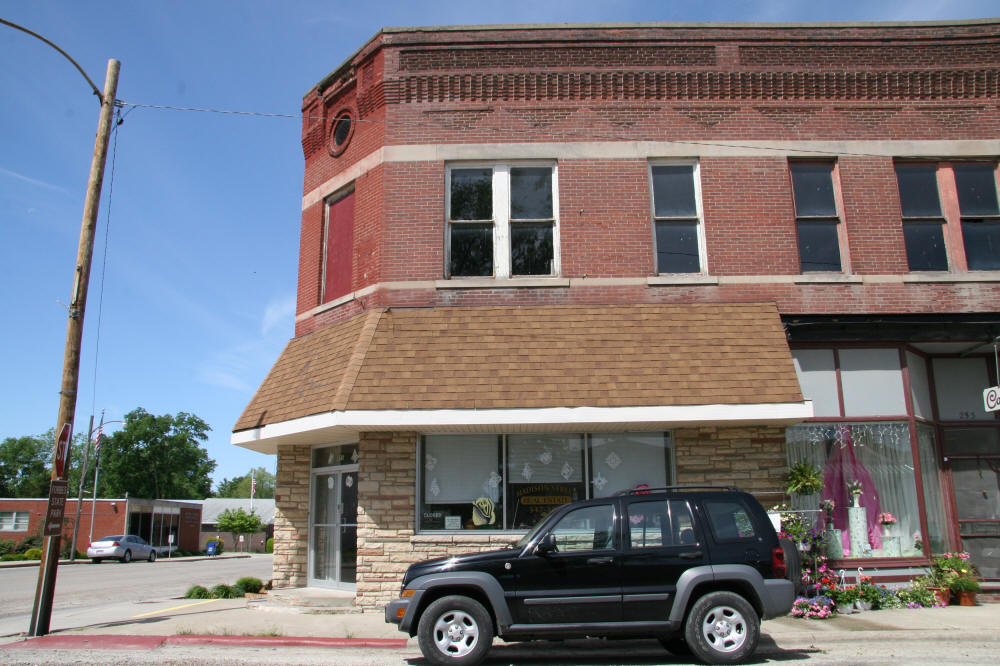
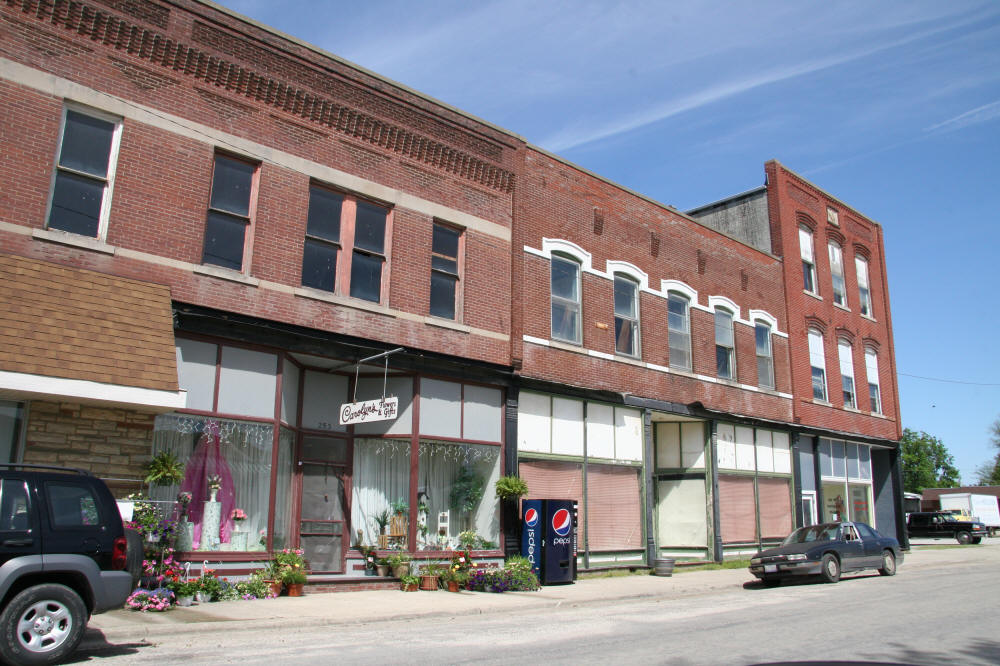
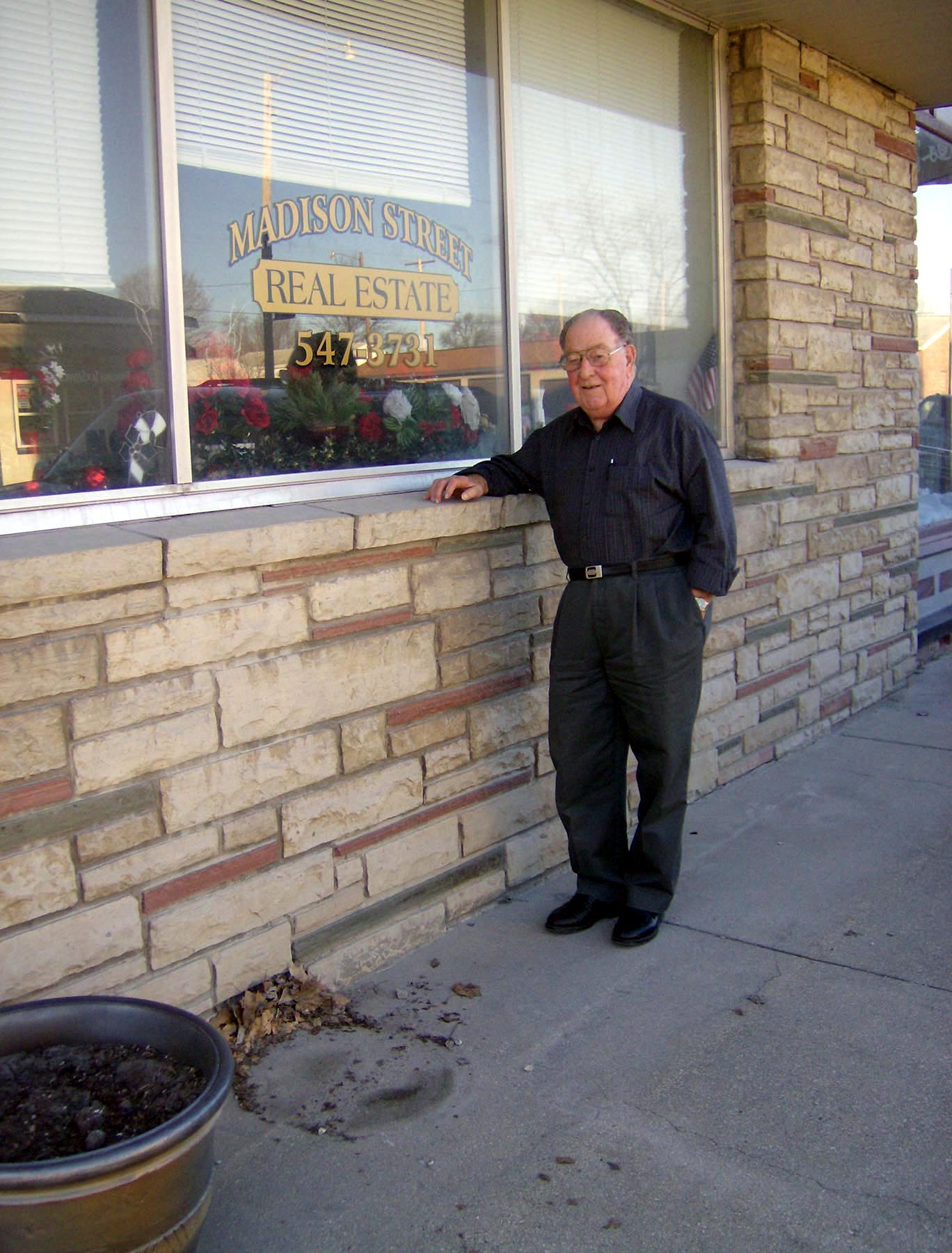
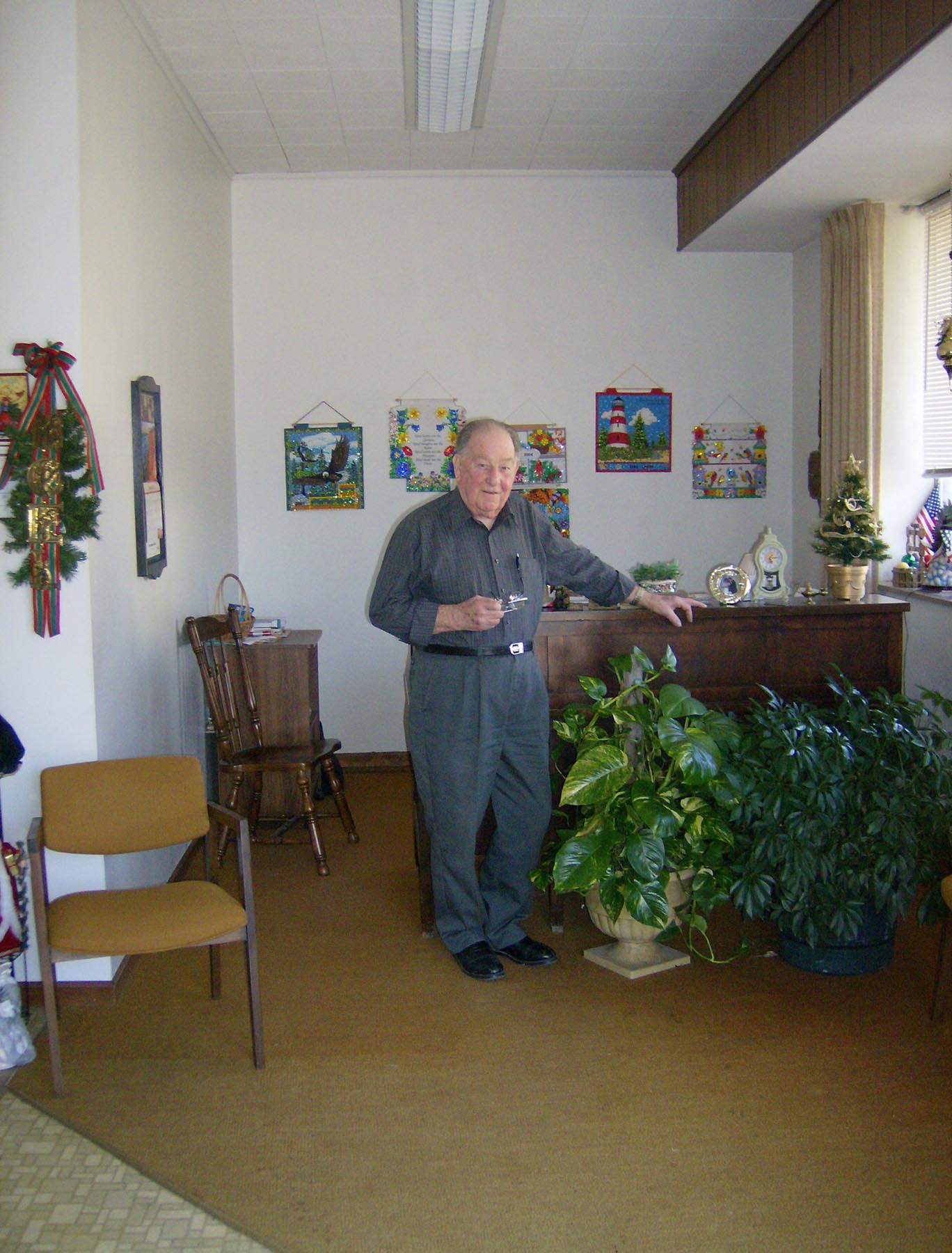
Madison Street
Real Estate - Elwyn Cheatum - 2007
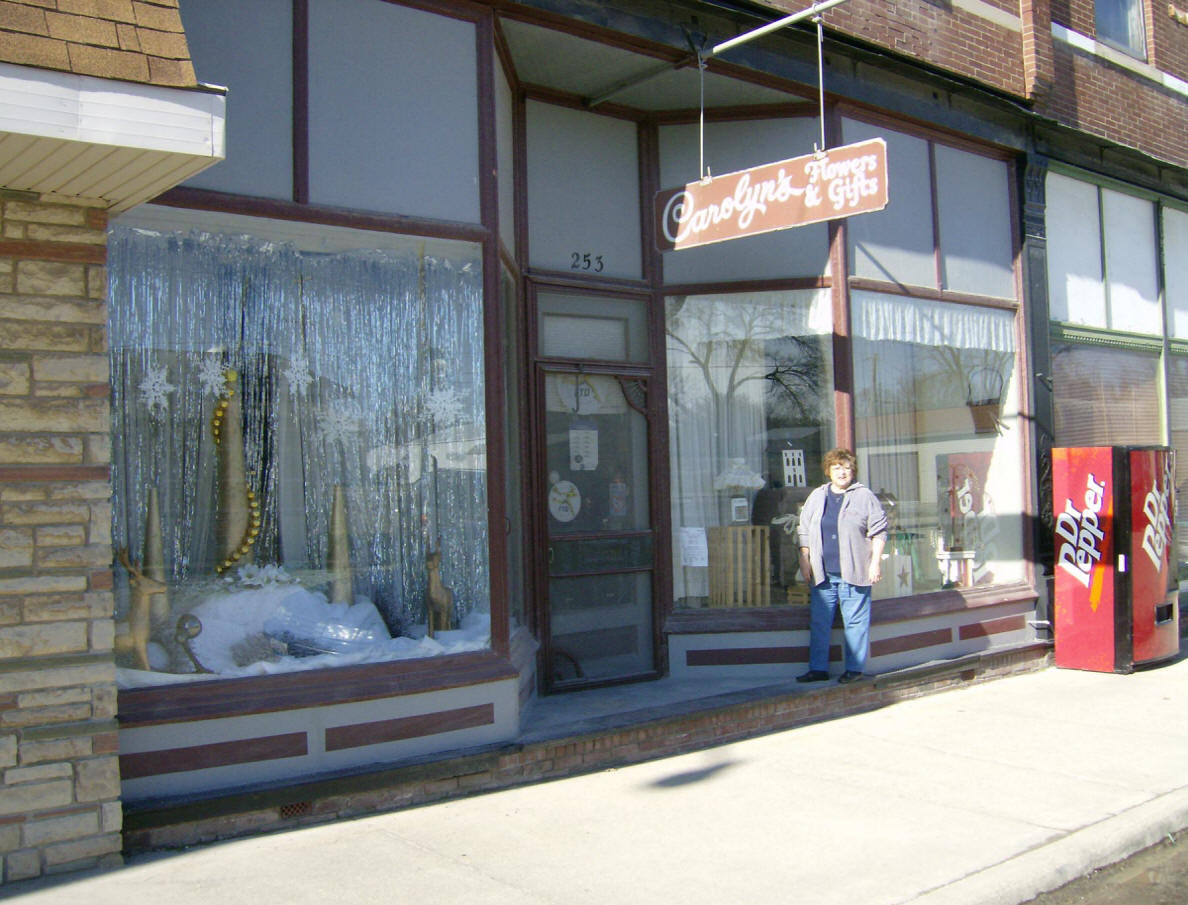
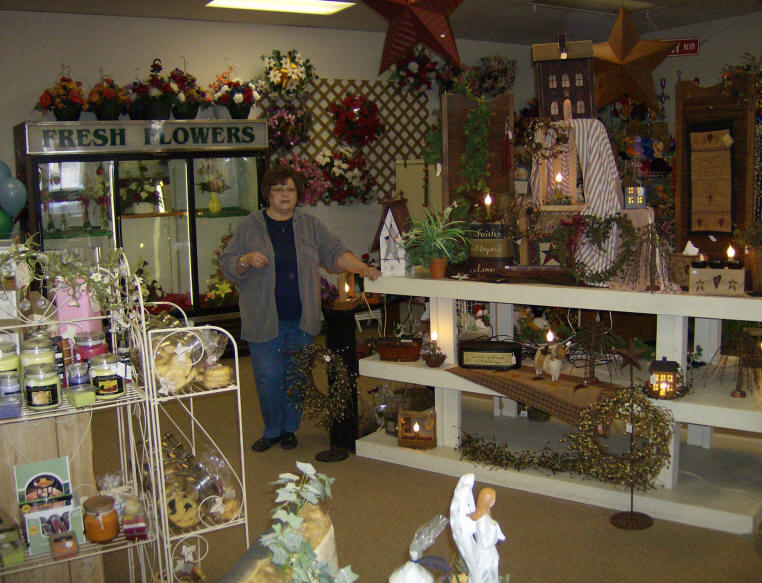
Carolyn (Garrett)
Shanafelt - Carolyn's Flowers - 2007
.JPG)
2009
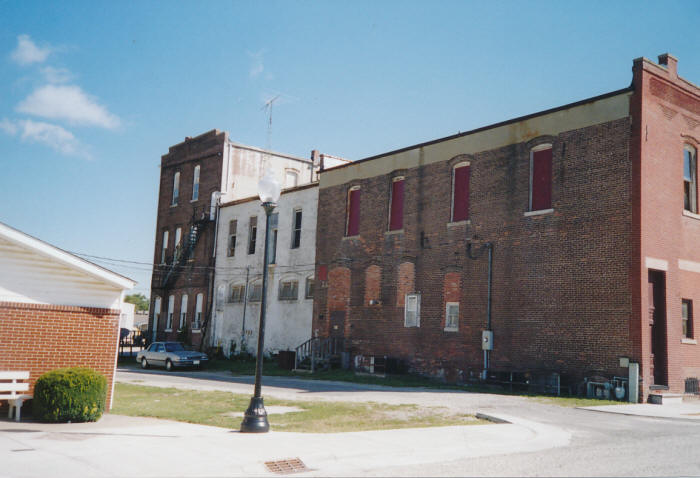
2007
2007
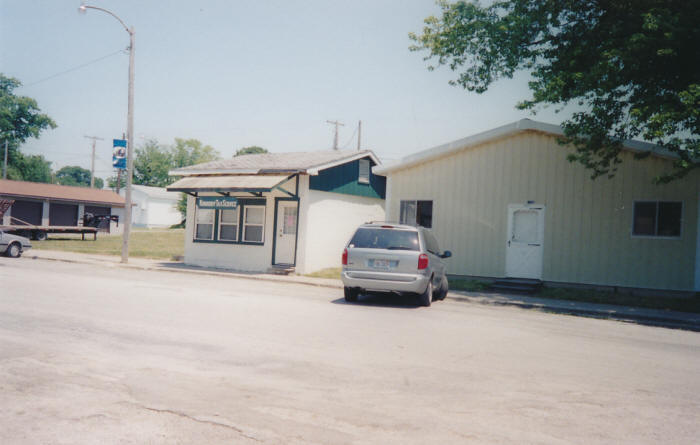
2007
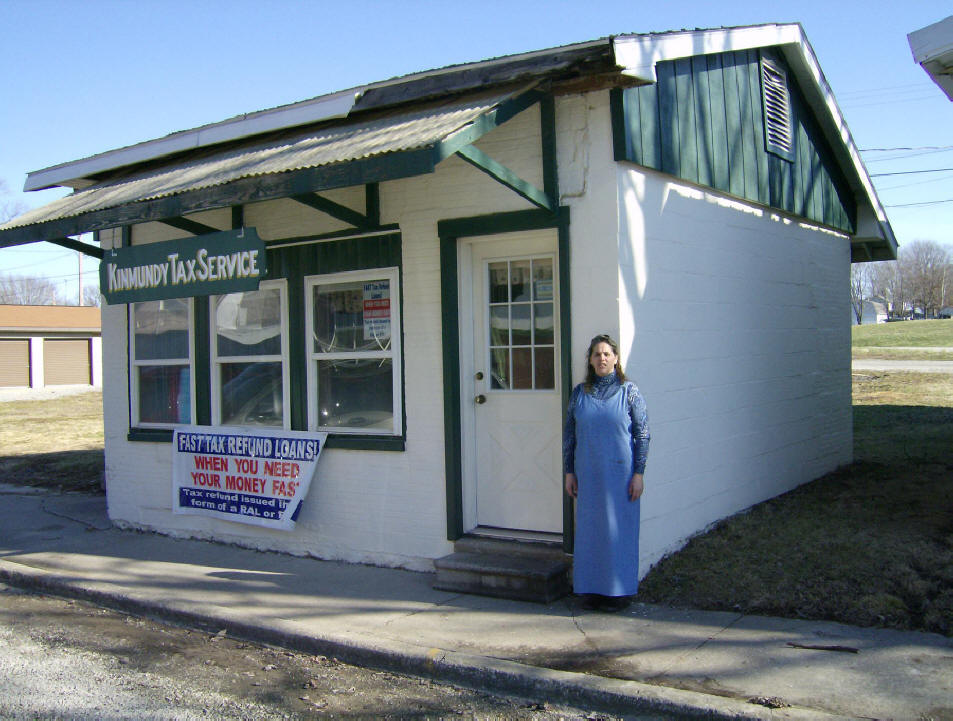
Kinmundy Tax
Service - Lisa (Lybarger) Dalton - 2007
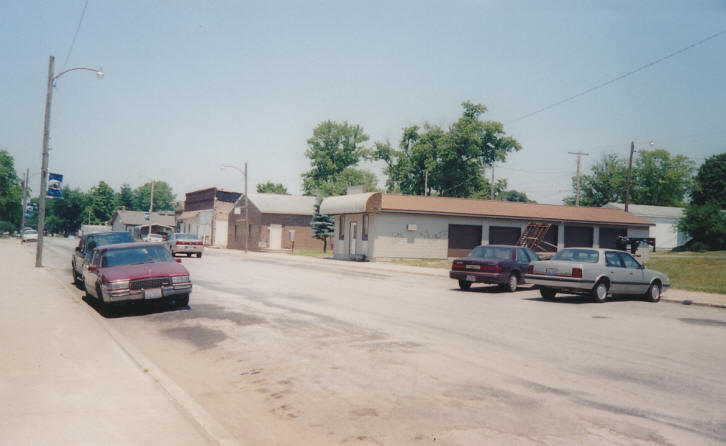
2007
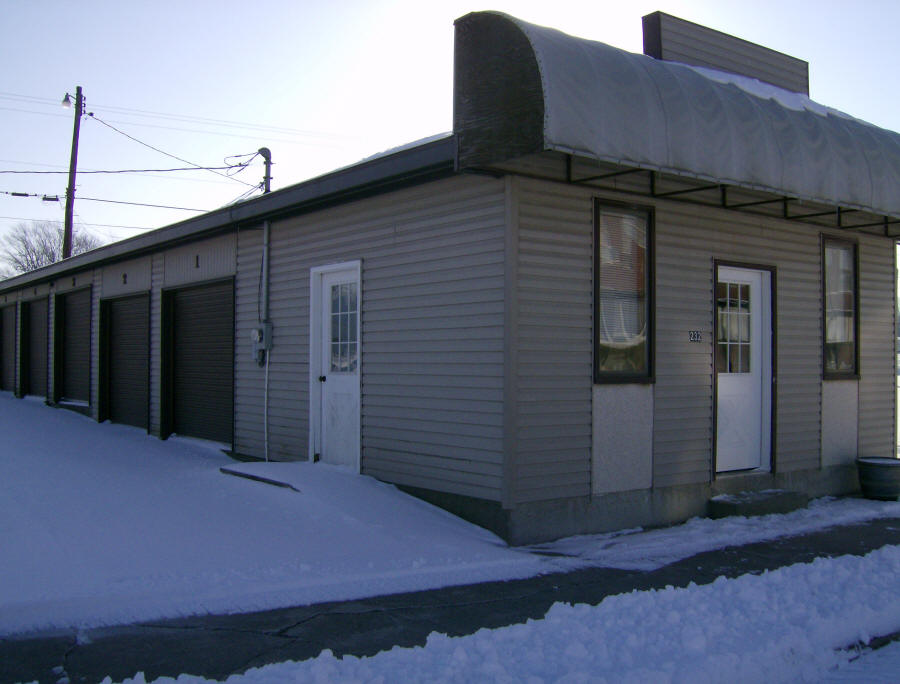
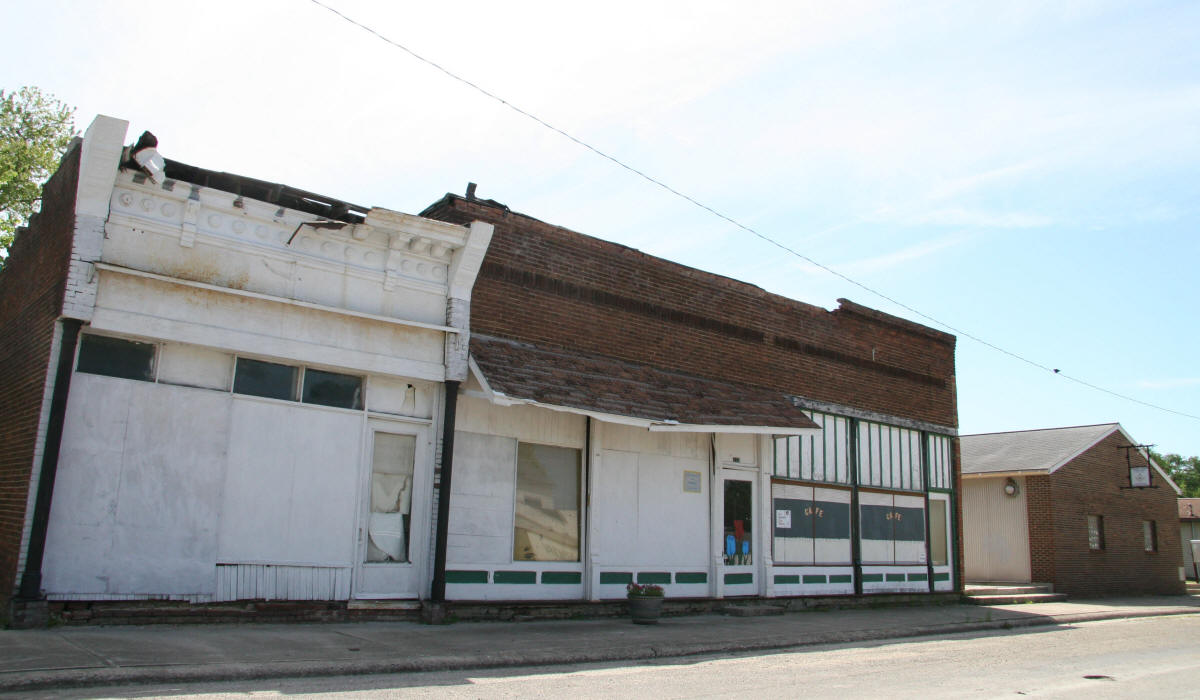
Kinmundy on Madison Street - east side - circa 2008 -
Kinmundy Express was located in middle section for almost 100 years.
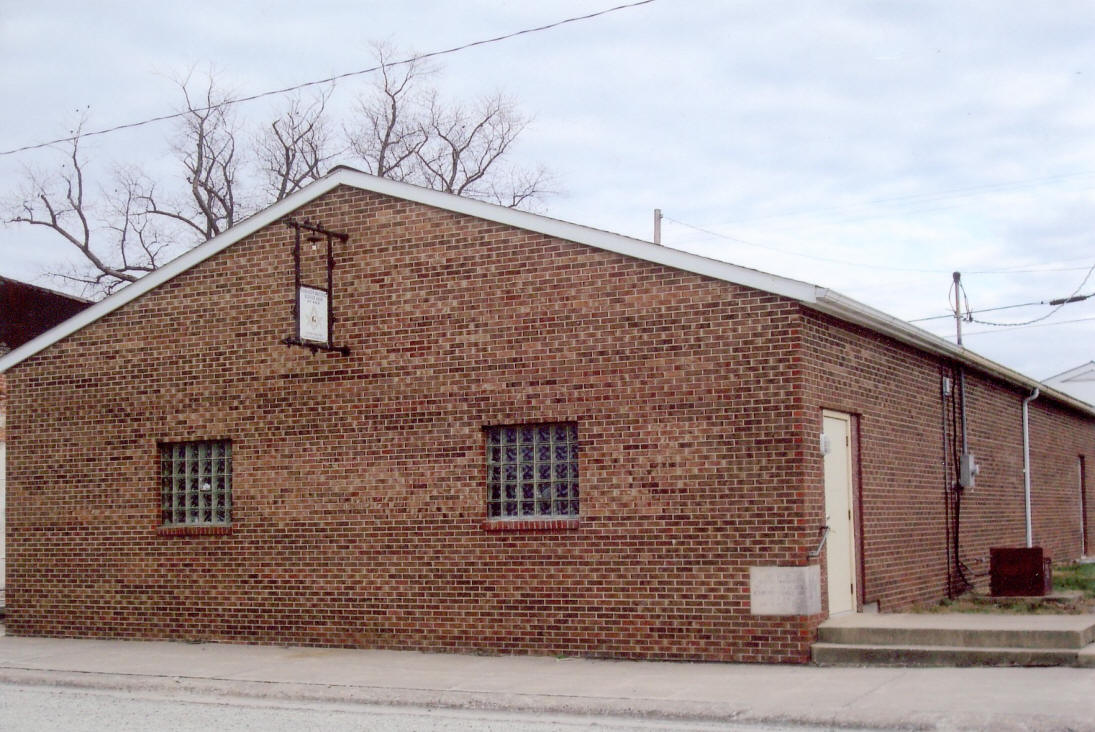
Kinmundy Masonic Lodge
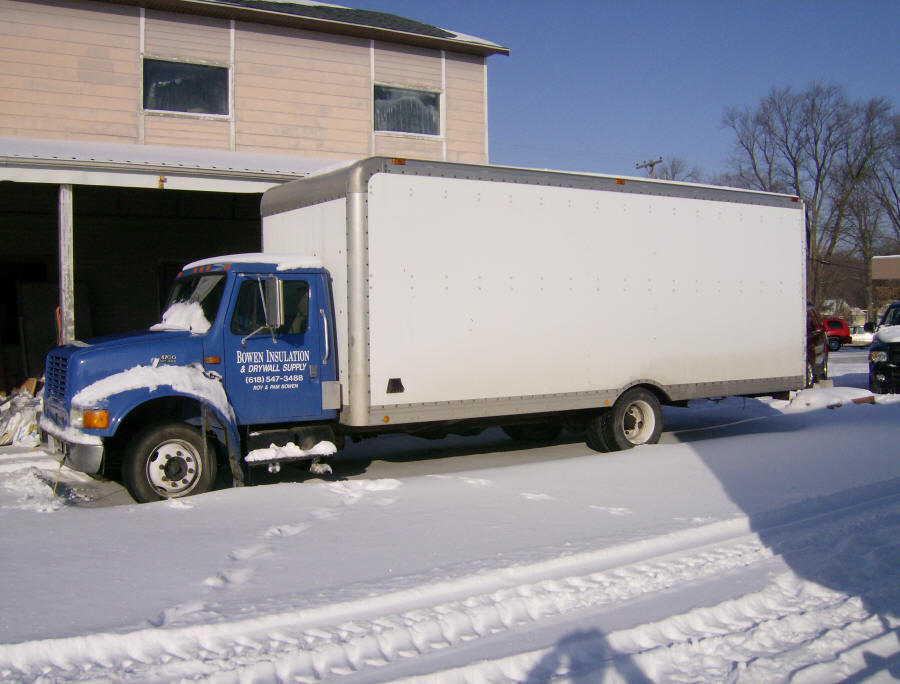
Bowen Insulation - 2007
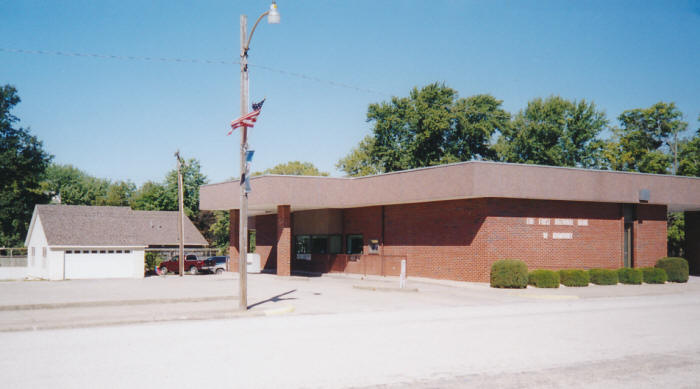
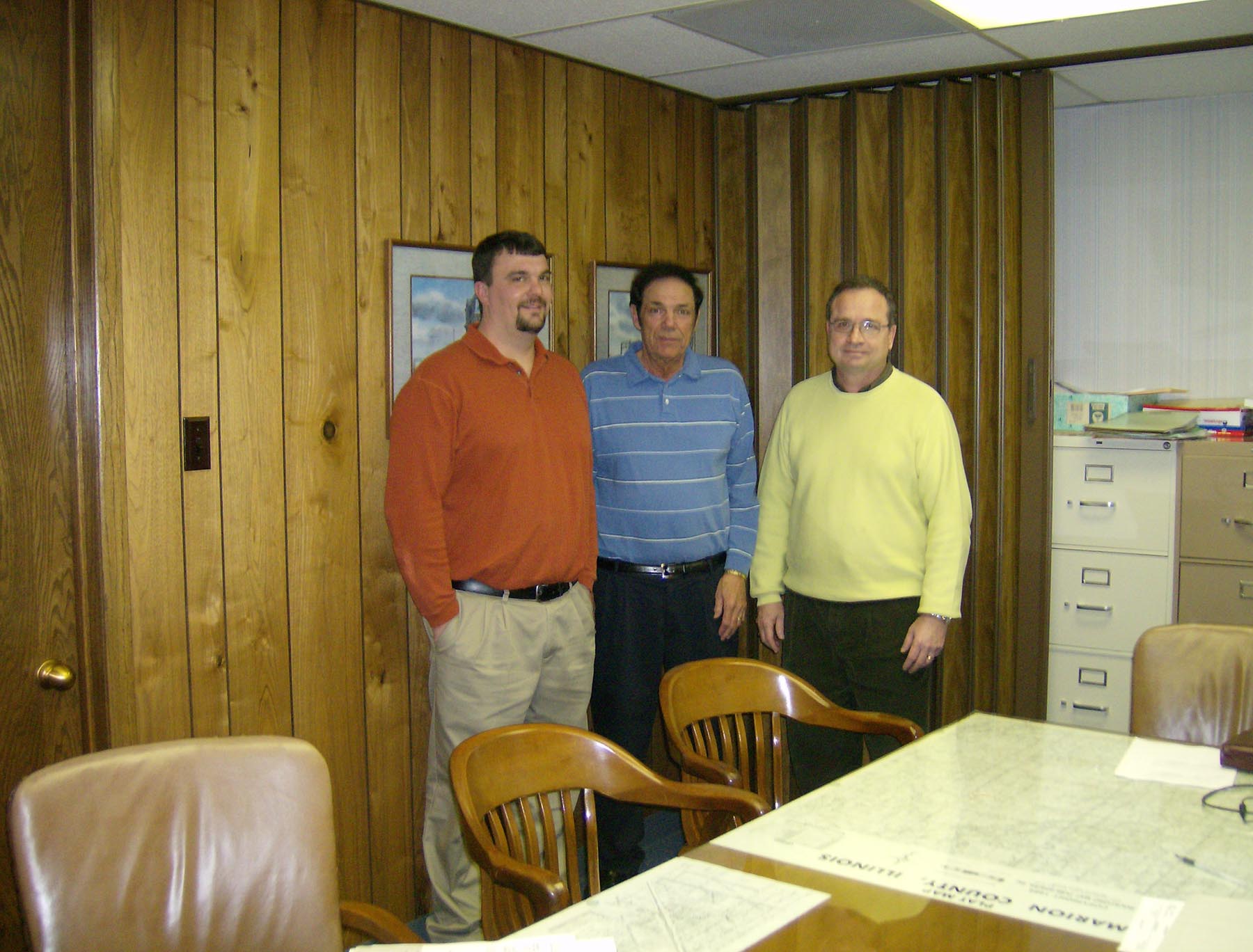
Kinmundy First
National Bank - Brent Geiler, Bryce Geiler & Jim Baker - 2007
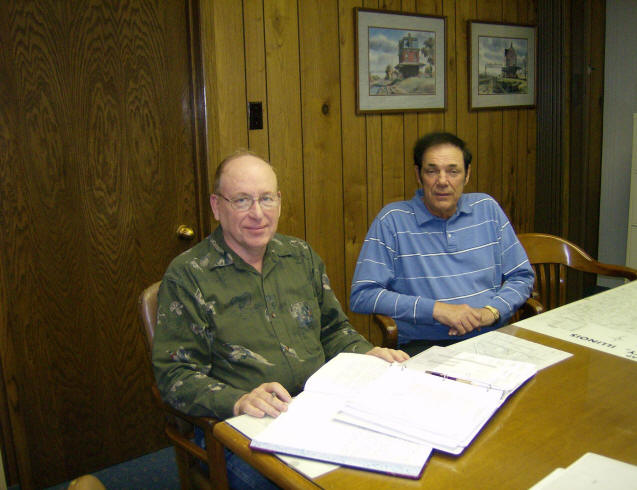
Kinmundy First
National Bank - Larry Ritter and Bryce Geiler - 2007
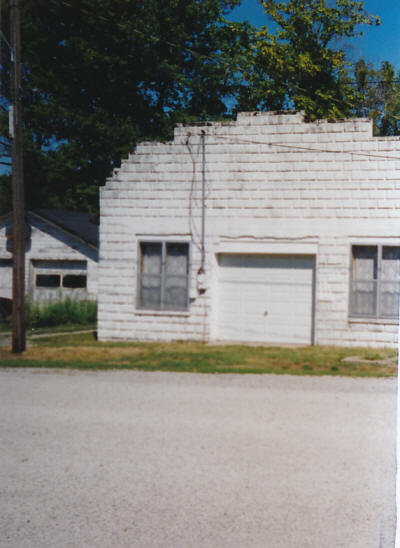
2007 - the old Chris Jasper Shoe Repair building on 2nd street - northwest of
the bank.
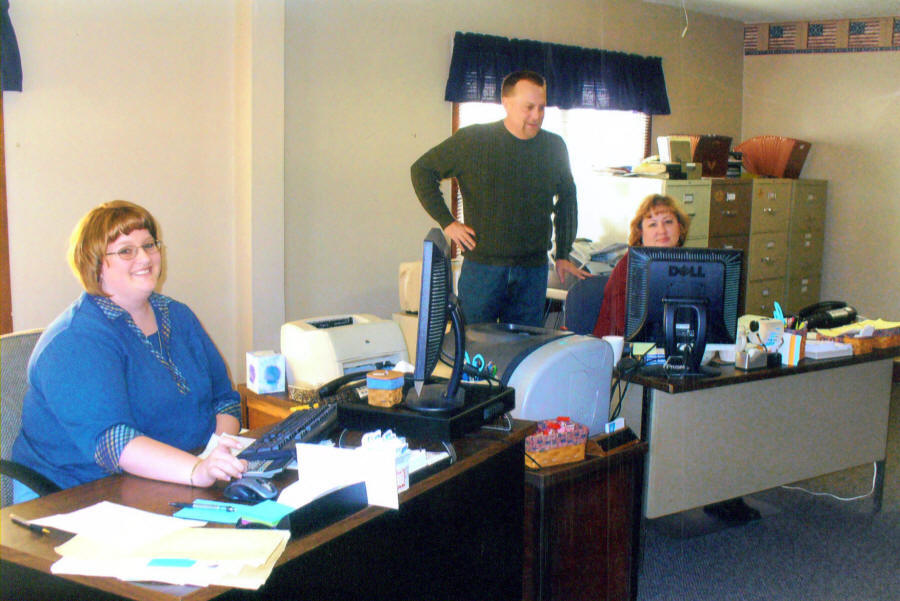
Kinmundy
Insurance - Stephanie Hawkey, Andy Drewes (owner) & Mary (Jones) Bushue
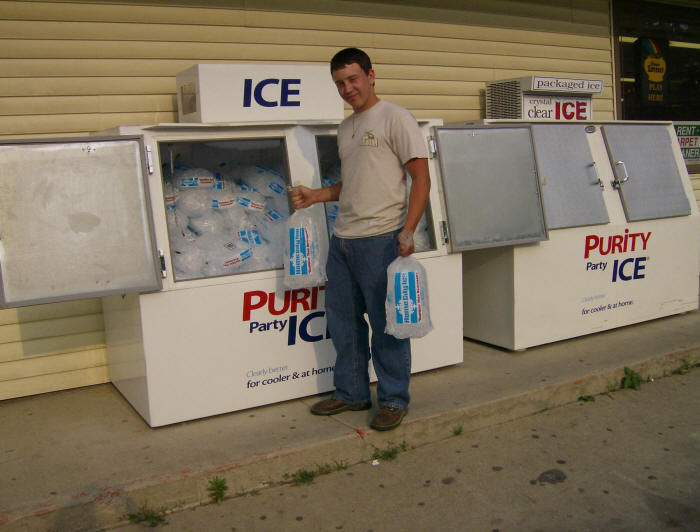
Kinmundy IGA
(pictured is Zac Hiestand)
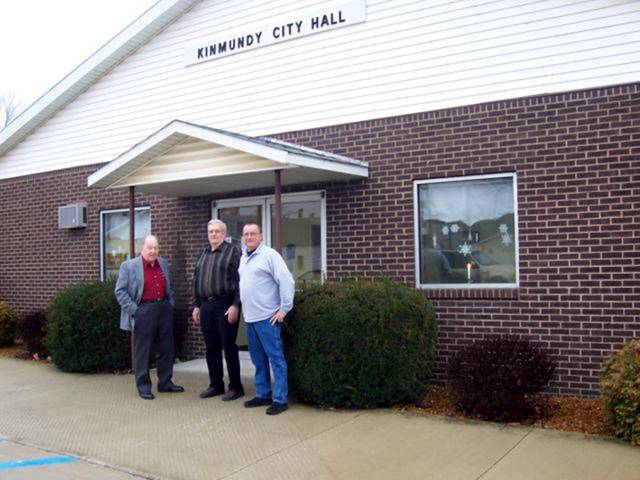
Three Mayors of Kinmundy – Elwyn Cheatum, Larry Engel, James
Mulvaney - 2007
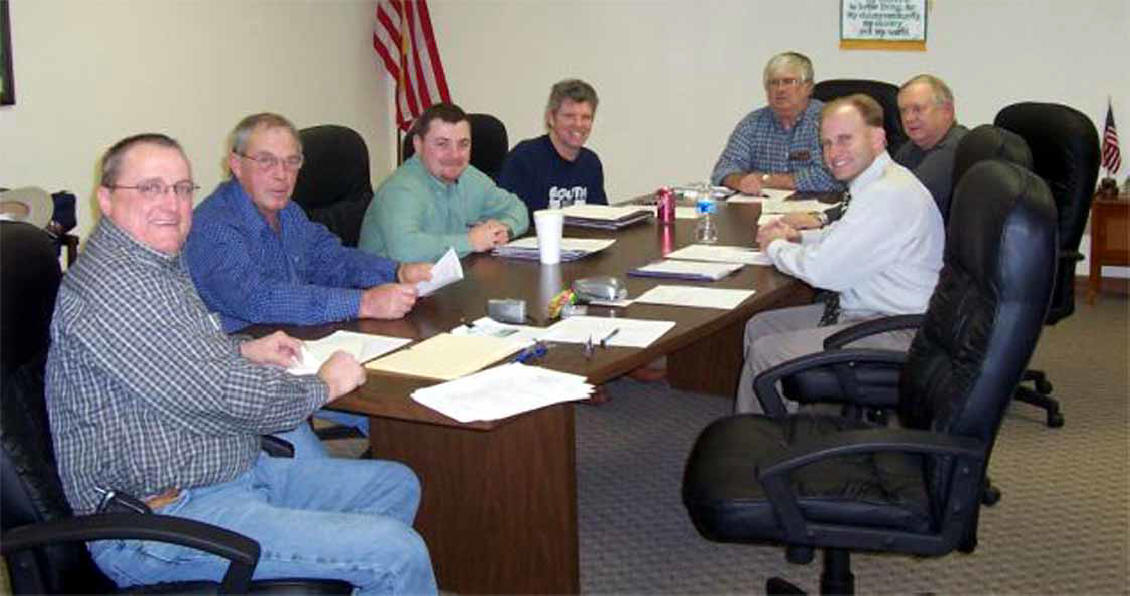
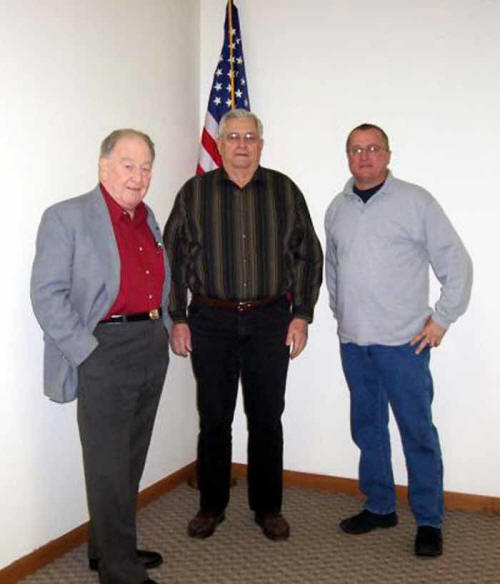
Kinmundy's Mayor and City Council - 2007
James Mulvaney, Donnie Keen, ___________, Clayton Keen, Bruce
Donoho, __________, and ___________
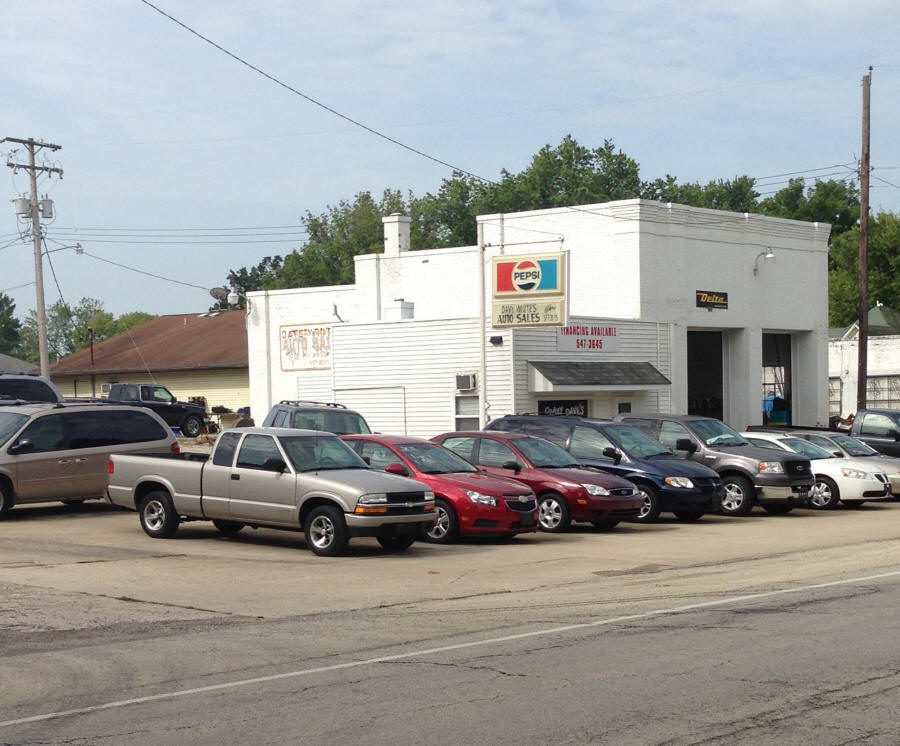
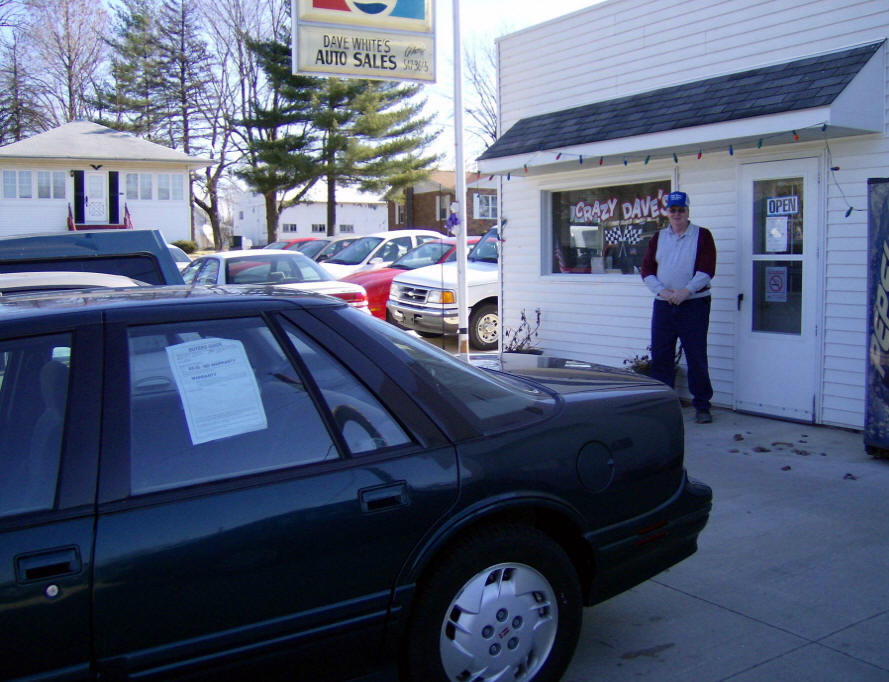
Dave White -
"Crazy Dave's Auto Sales" - 2007
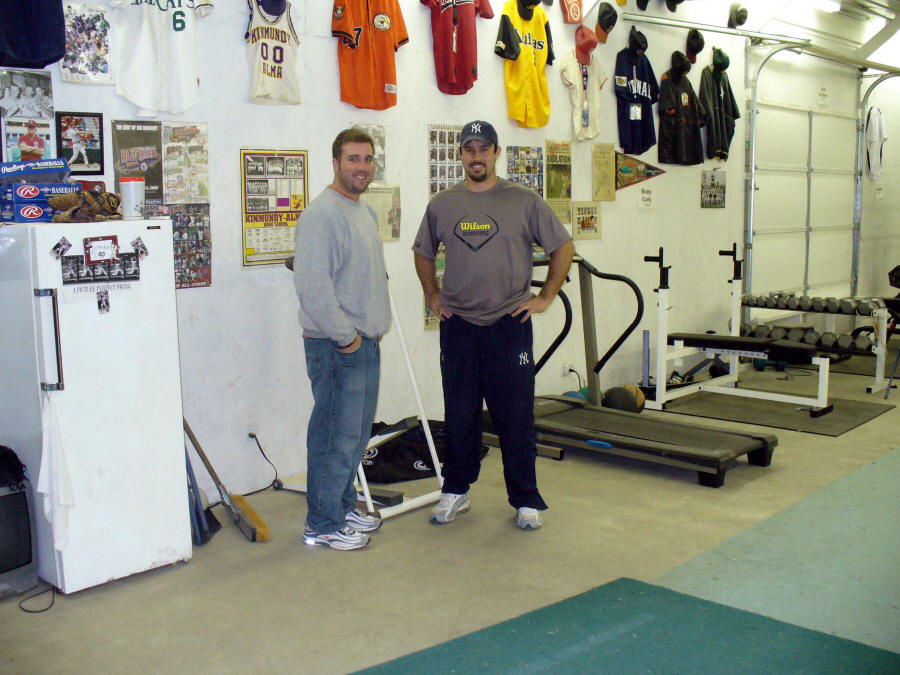
Kevin Barry and
Shawn Garrett - "Garrett Baseball Barn - 2007
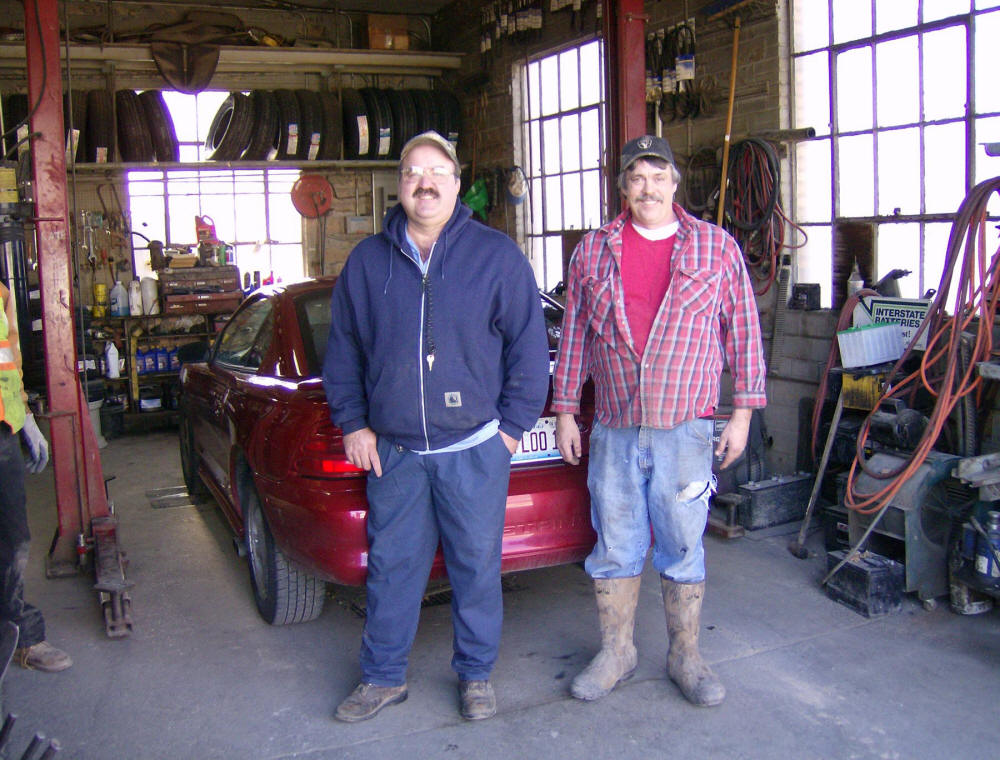
Kevin Lane and
Troy Geiler (owner) - Geiler's Sunoco Station - 2007
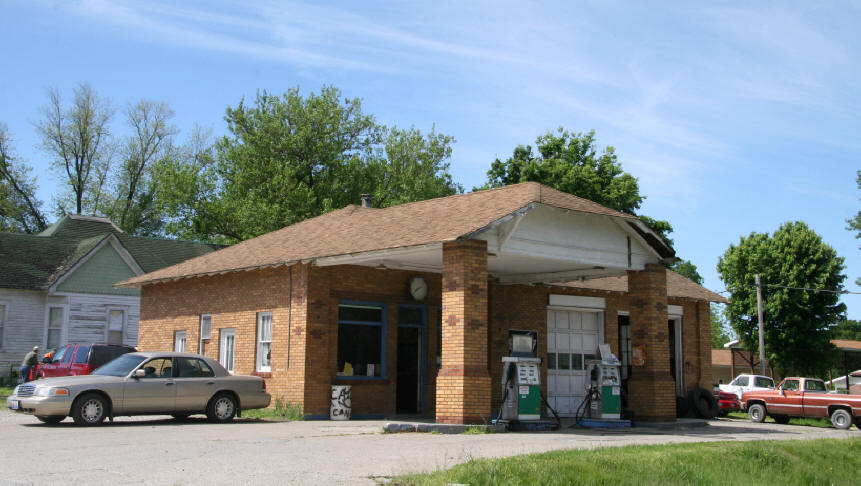
Sunoco station in
Kinmundy
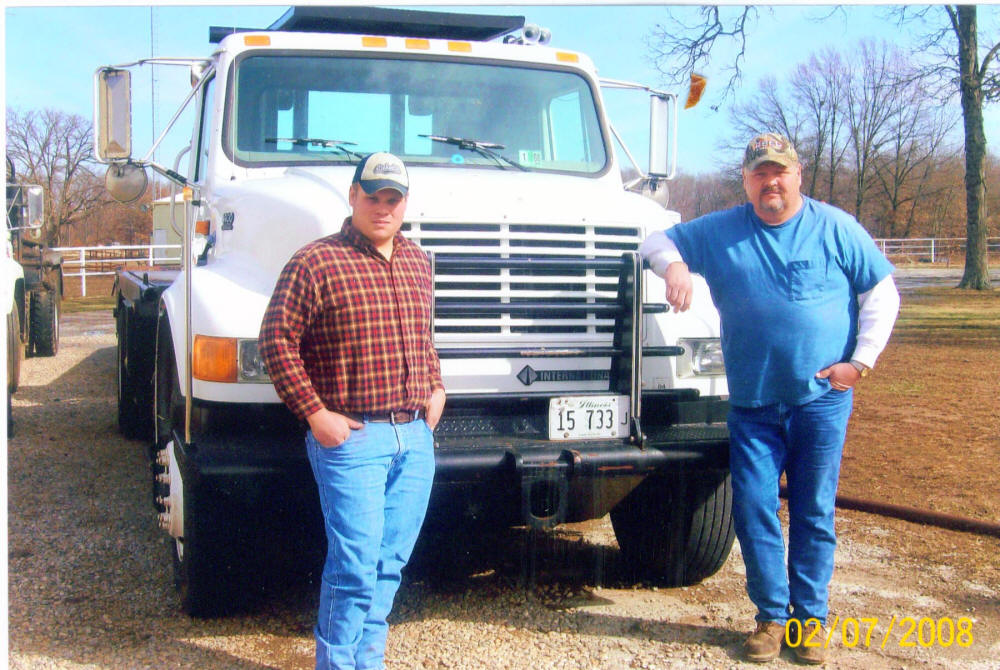
Jeremy and Jerry
Chasteen - Gesell Oil Service - 2007
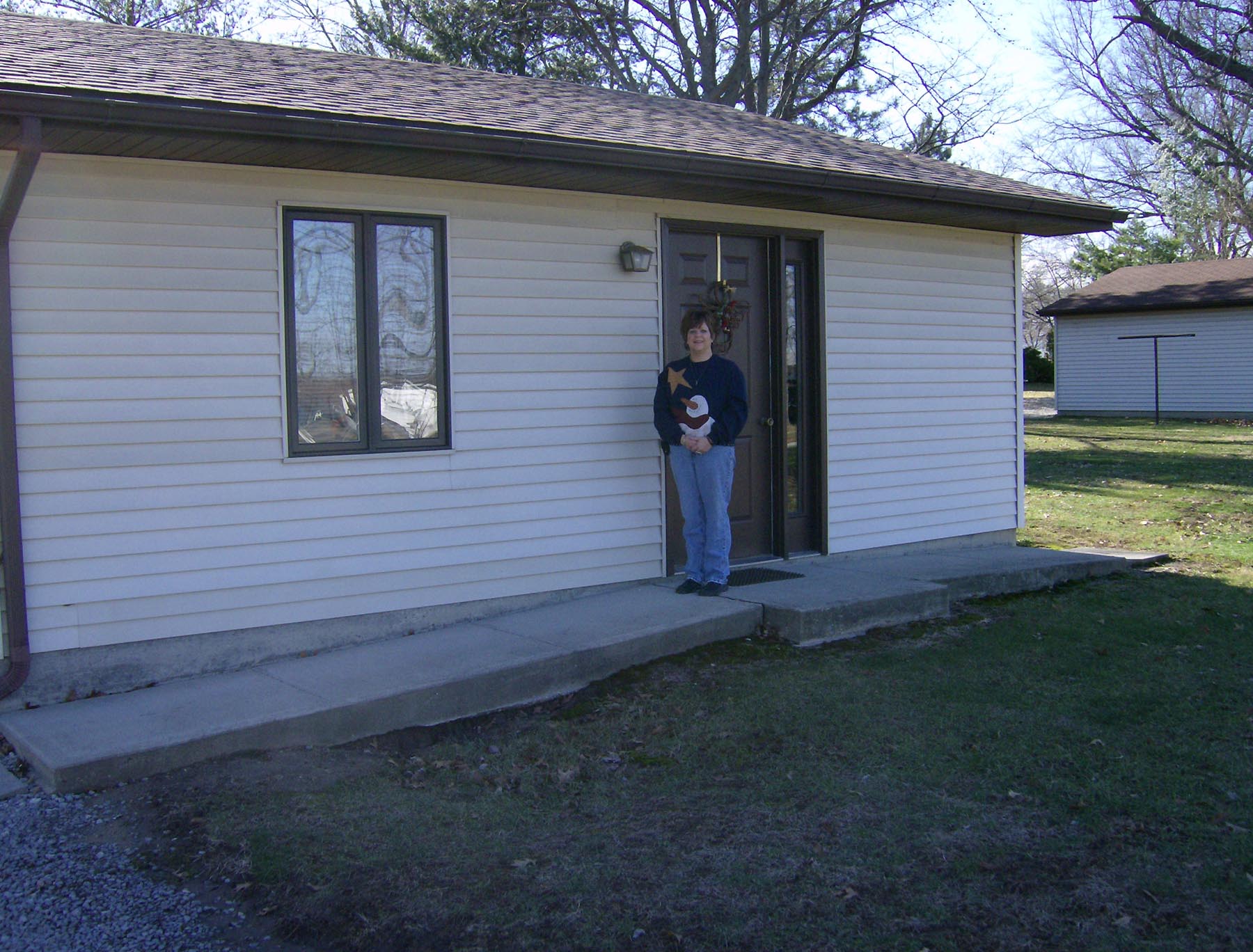
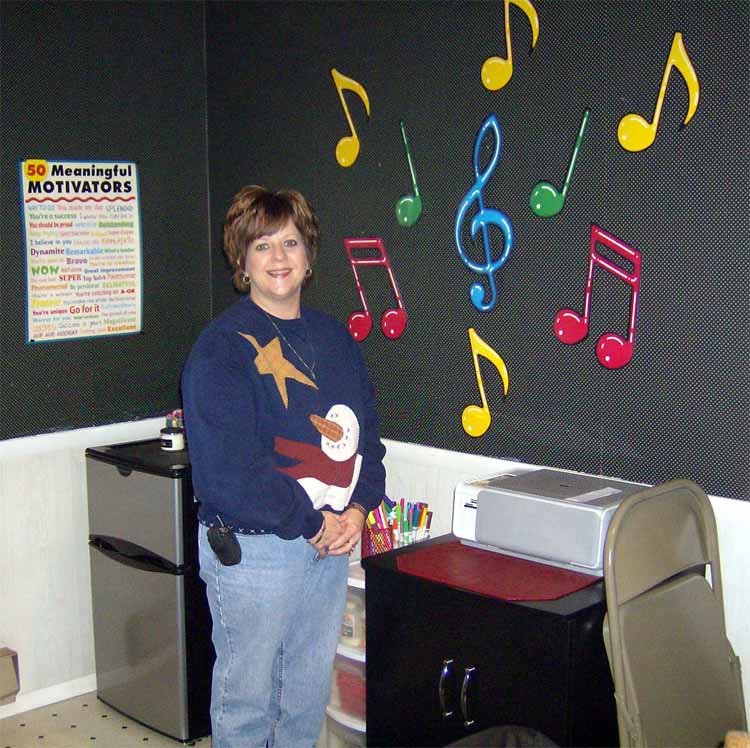
Gina (Mulvaney)
Eutsler - The Hair Shoppe & Power Fingers - 2007
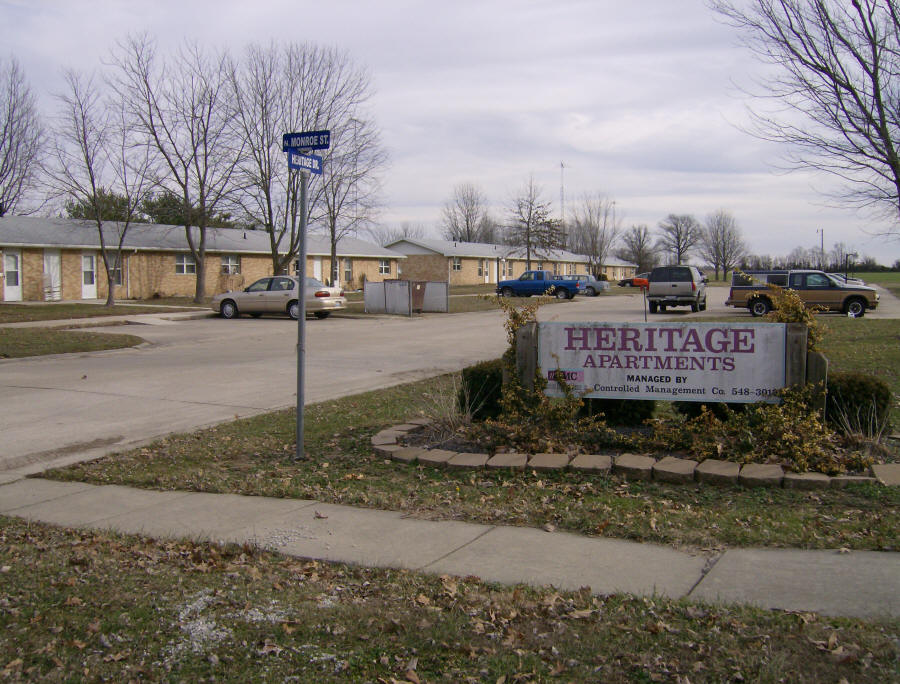
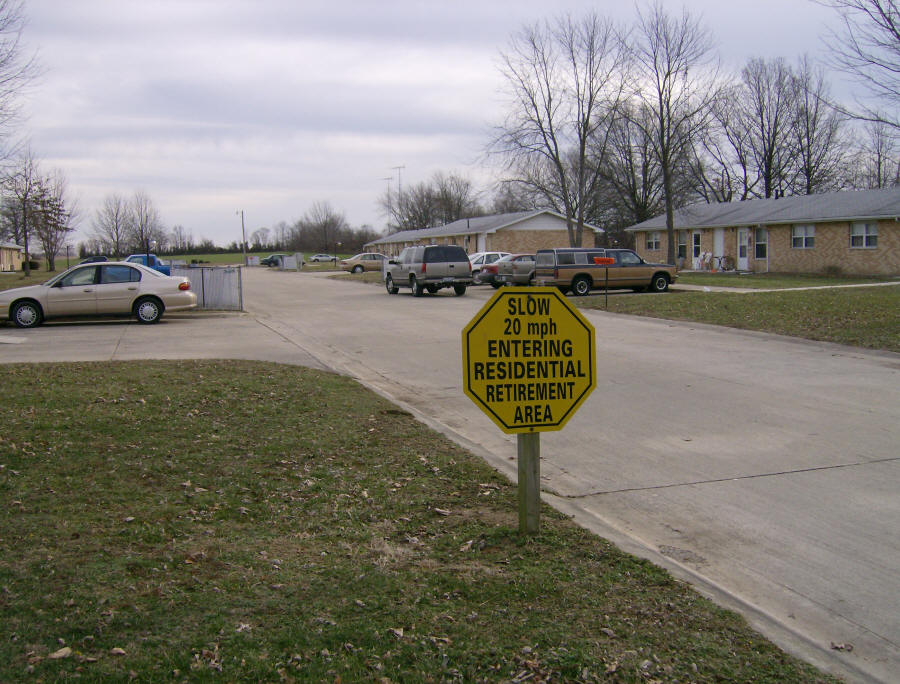
Heritage
Apartments in Kinmundy - 2007
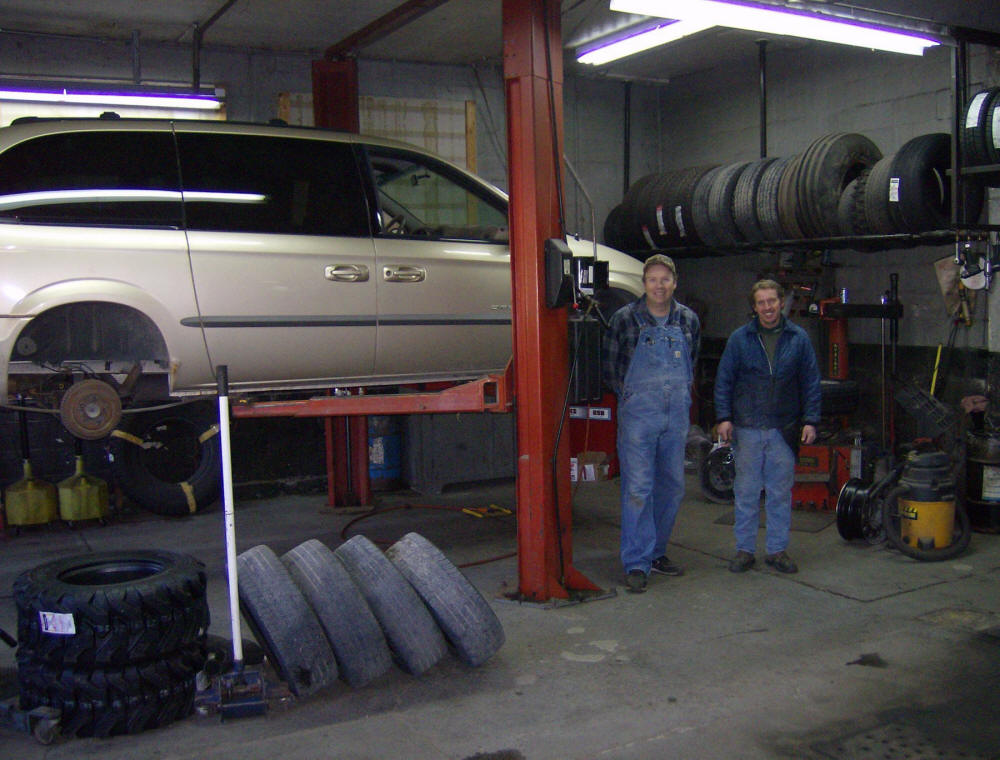
Johnson Service
Station - John and Chuck Johnson - 2007
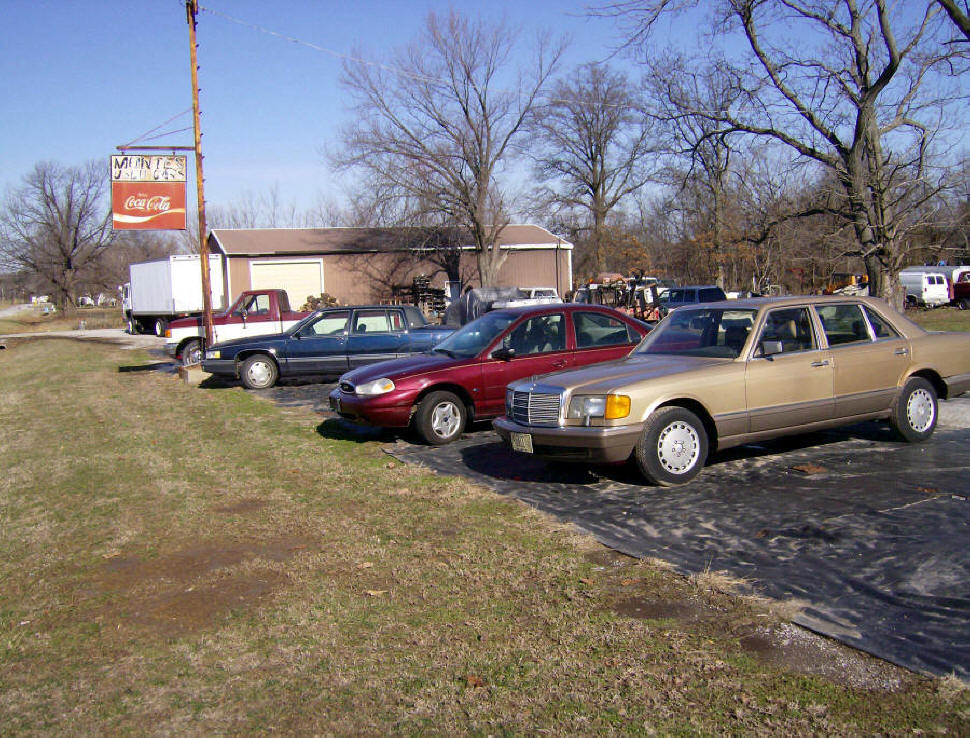
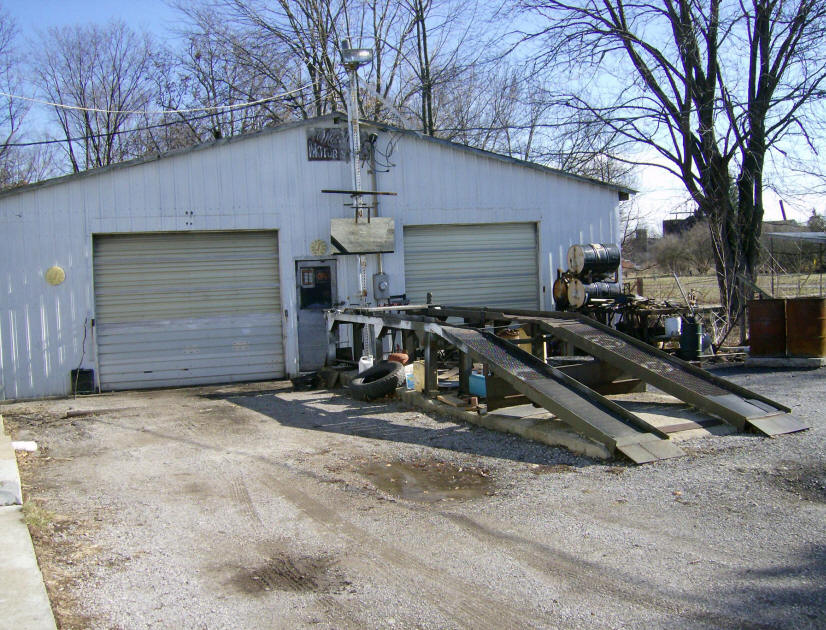
Montes Auto Sales
- Nivaldo Montes (owner) - 2007
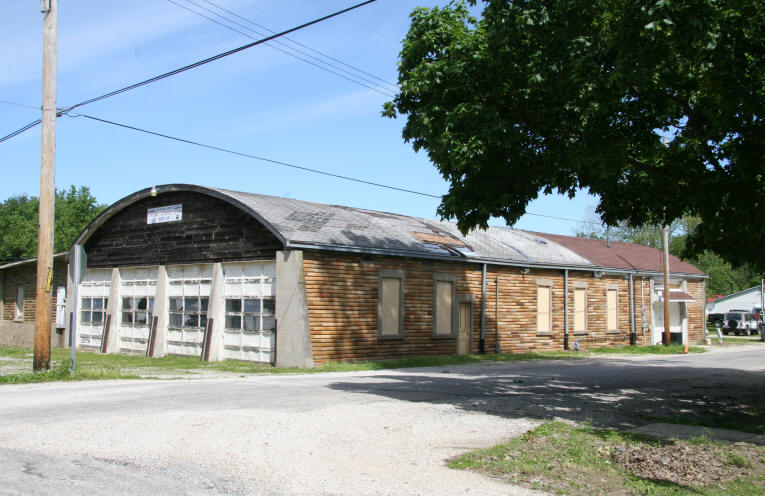
Former Robnett
garage & ice house. Years later, it was the Kinmundy American Legion for a
few years.
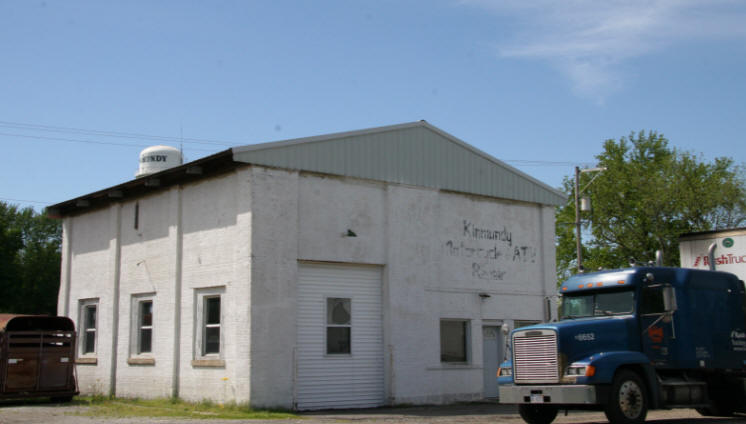
Originally the
Standard Gas station owned by Brown family and others thru the years.
Eventually, it had several businesses in
and out of it,
some by Alan Keen, as it has been owned by the Keen family for several years.
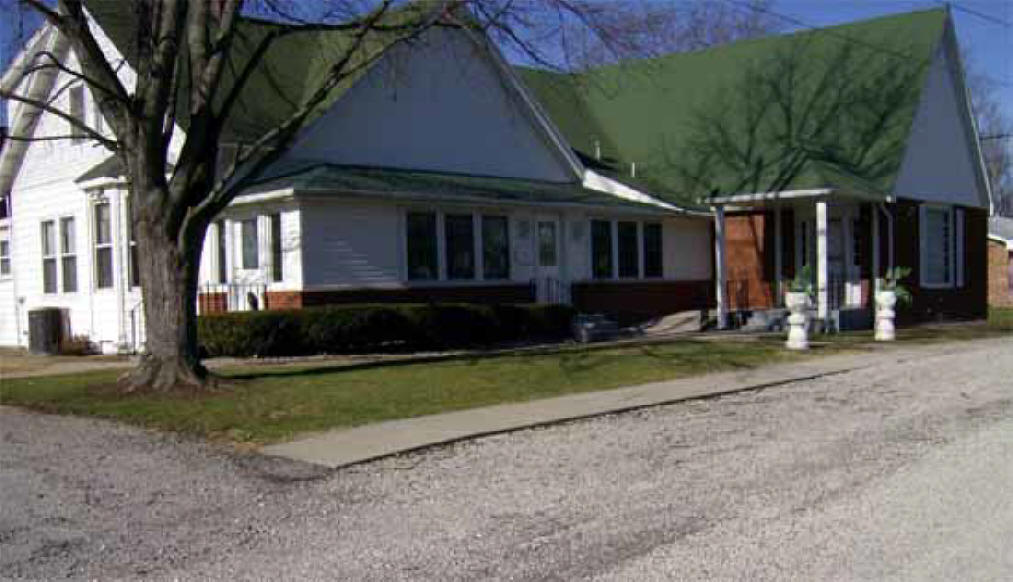
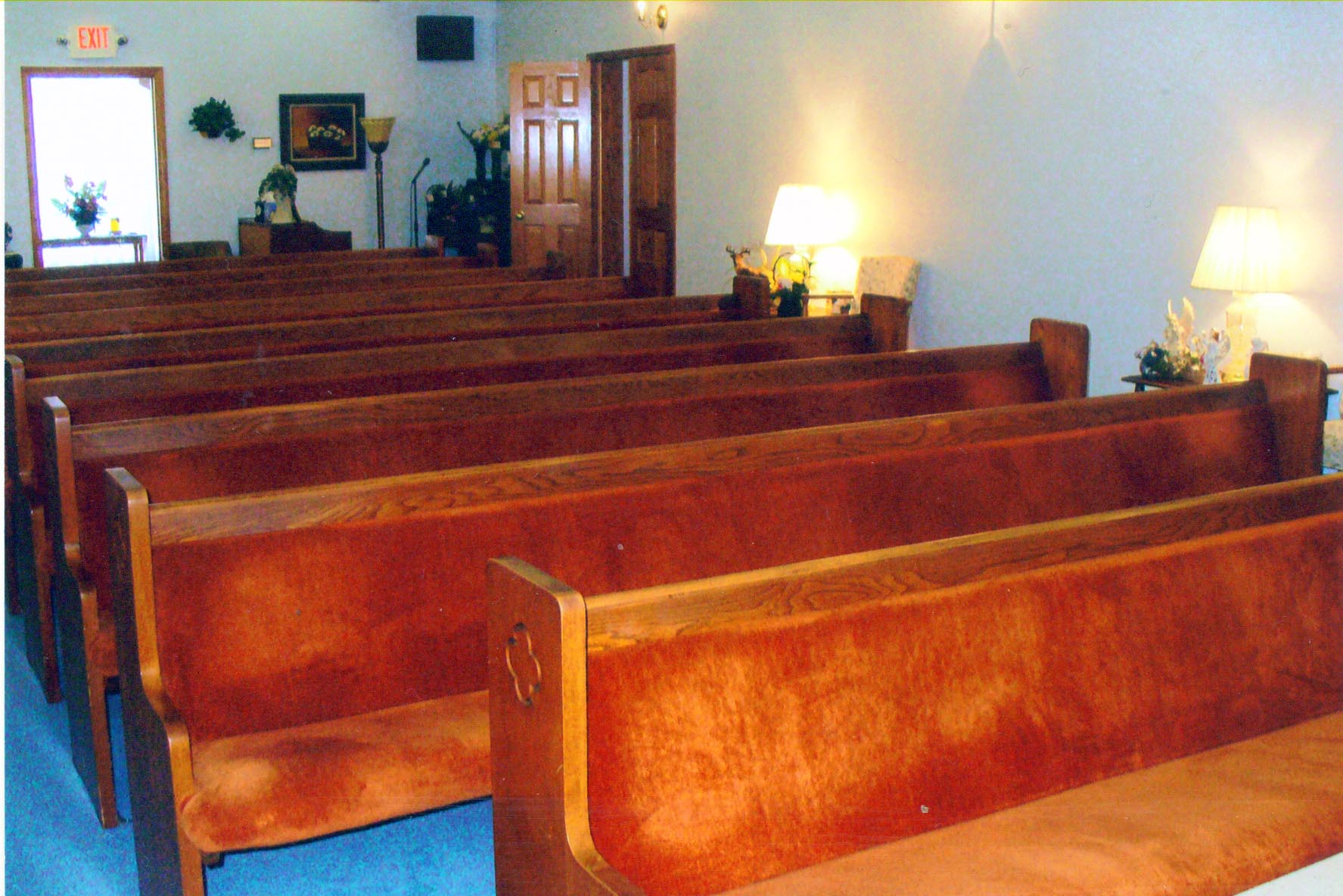
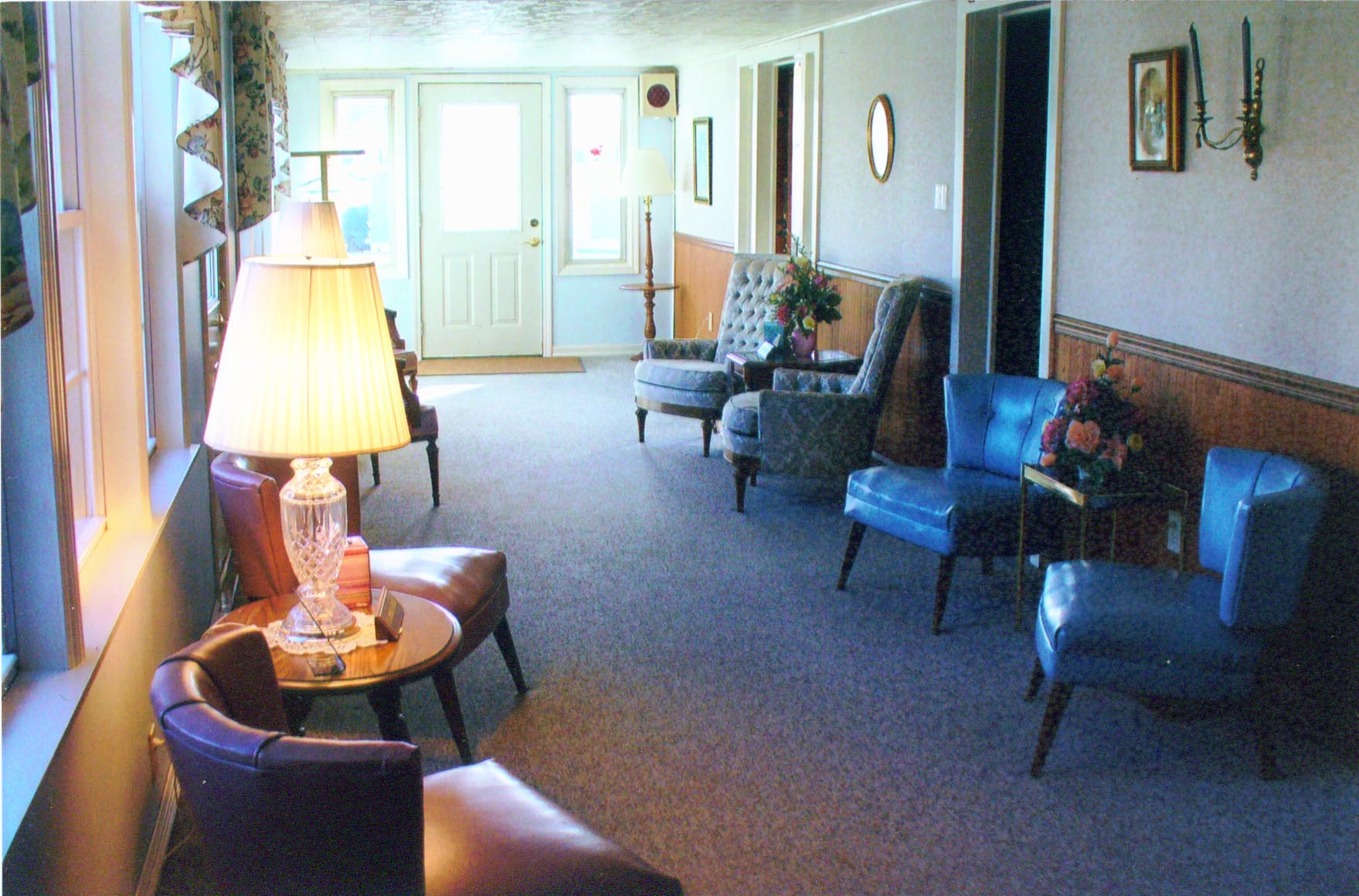
Neal Funeral Home
(originally Linton Funeral Home) - 2007
.jpg)
.jpg)
.jpg)
.jpg)
Photos of the
Kinmundy Funeral home after it was purchased by the Triplett family - ca 2019

Pals Chiroprictic
- 2007
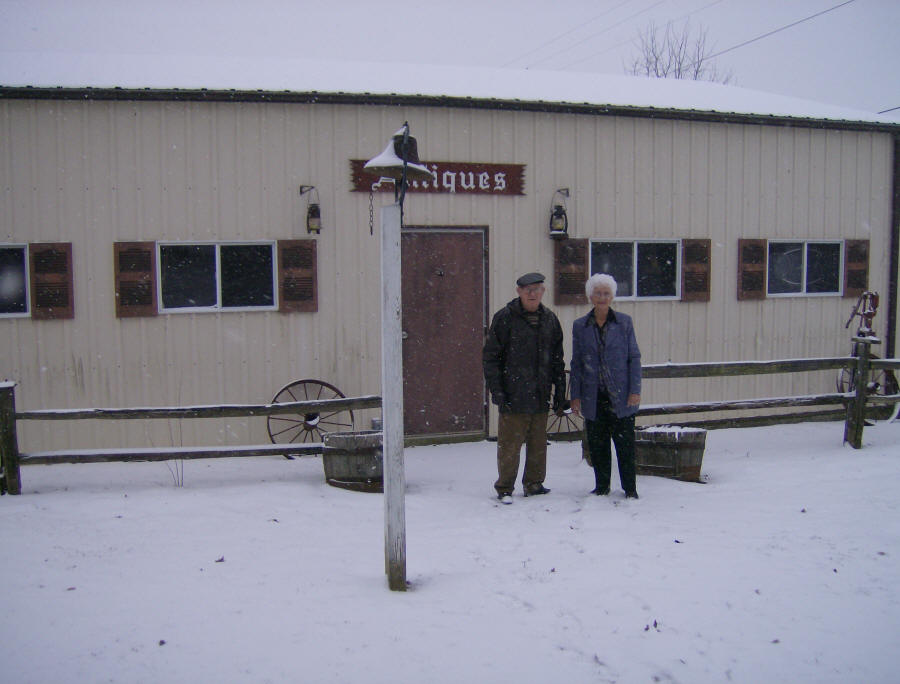
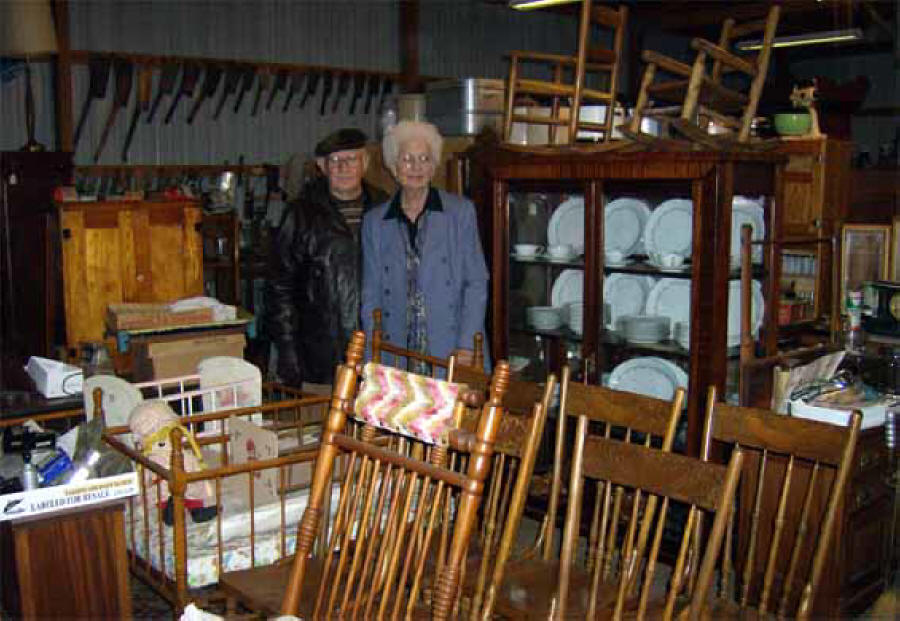
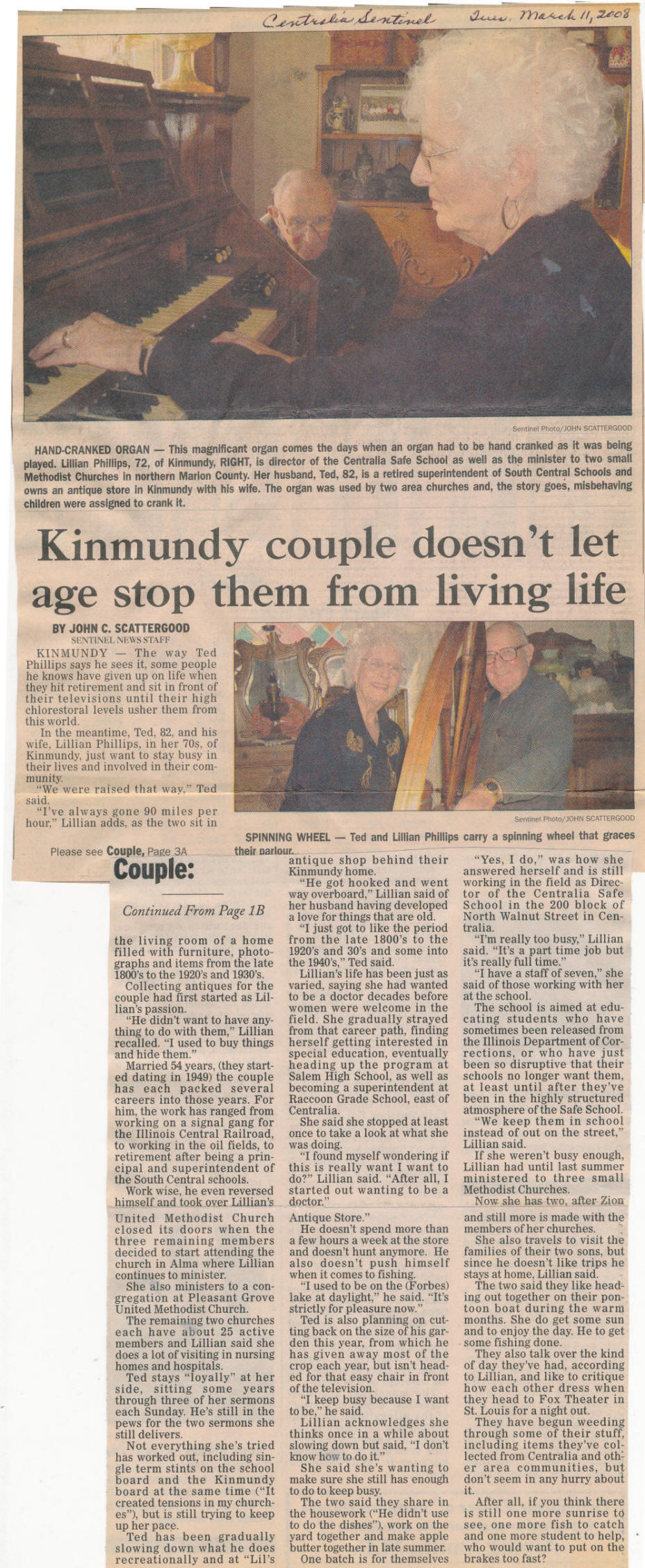
Antiques - Ted &
Lillie (Bailey) Phillips - 2007
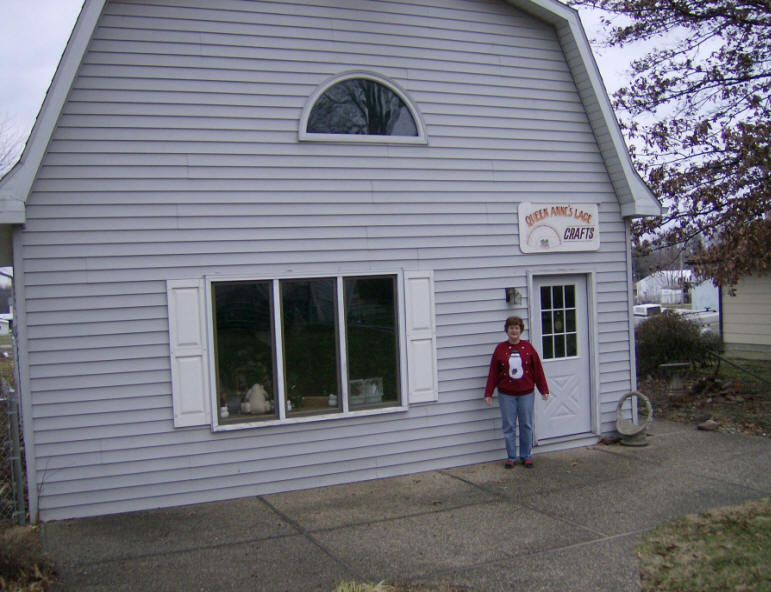
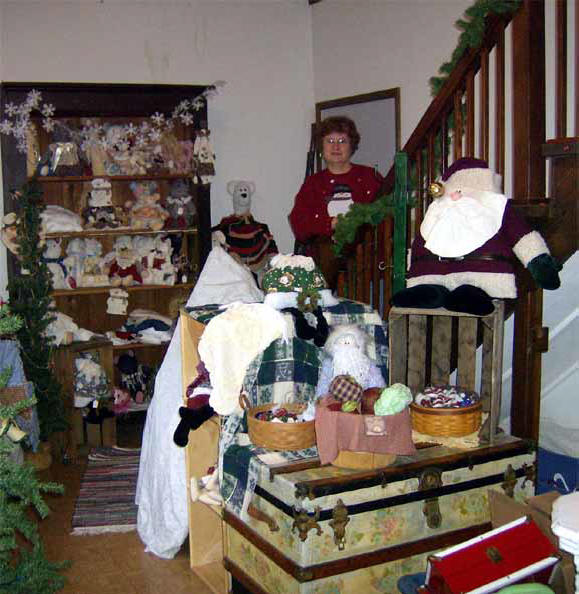
Queen Anne's Lace
Crafts - Karil Garrett - 2007
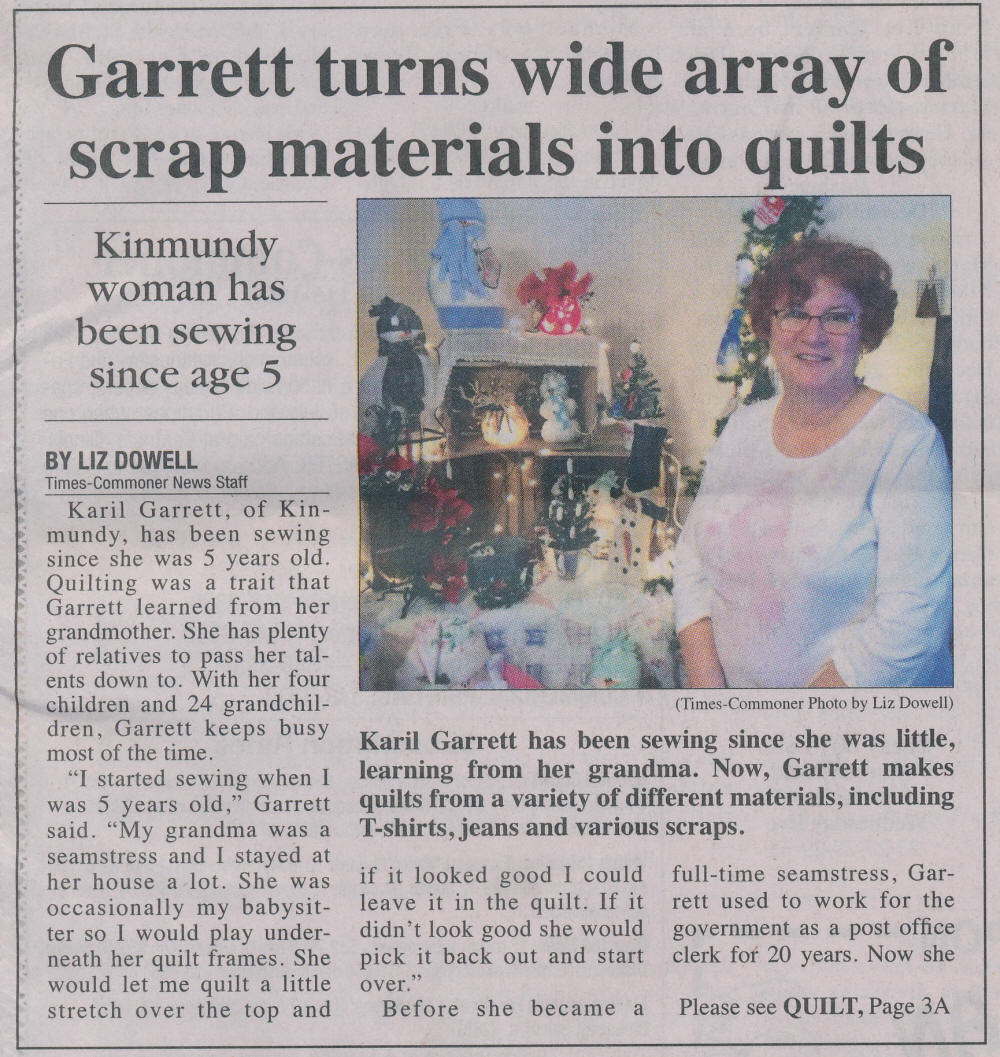
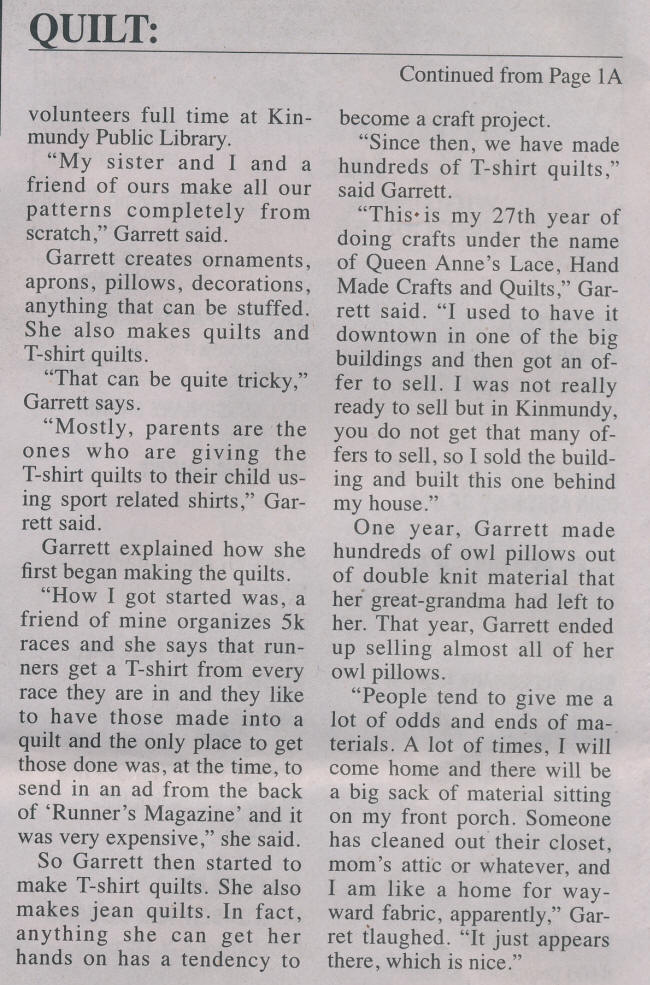
Karil Garrett
article in "The Salem Times-Commoner"
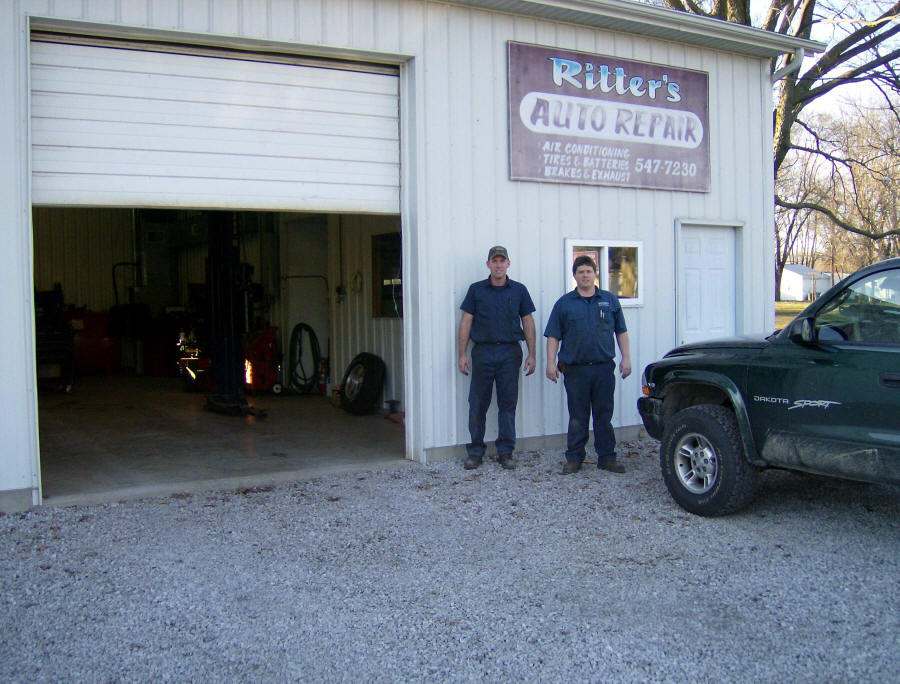
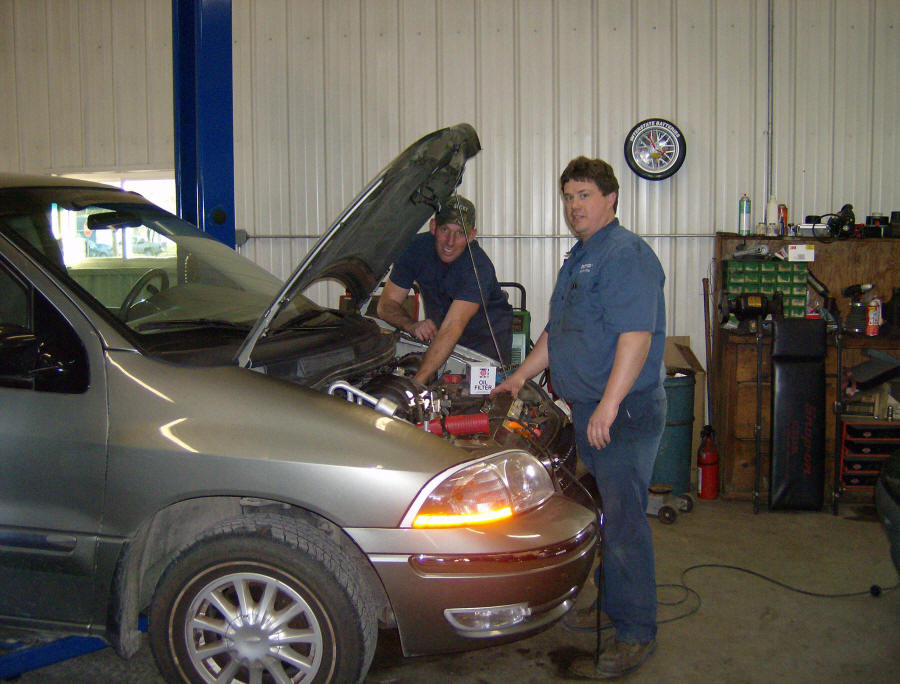
Ritter's Auto
Repair - Leon Hilmes and Greg Ritter (owner) - 2007
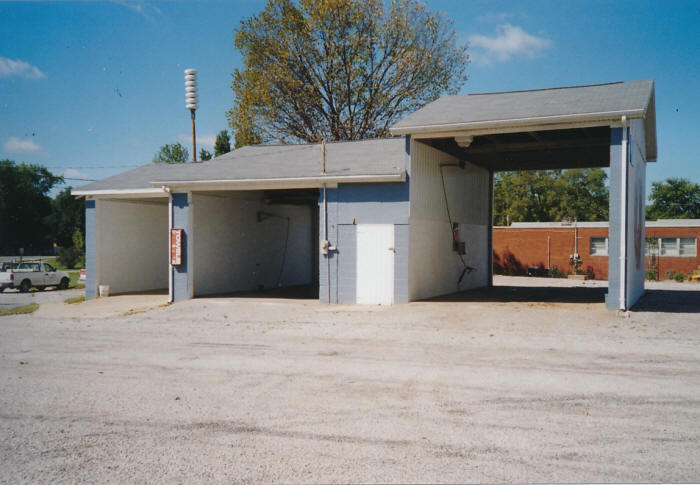
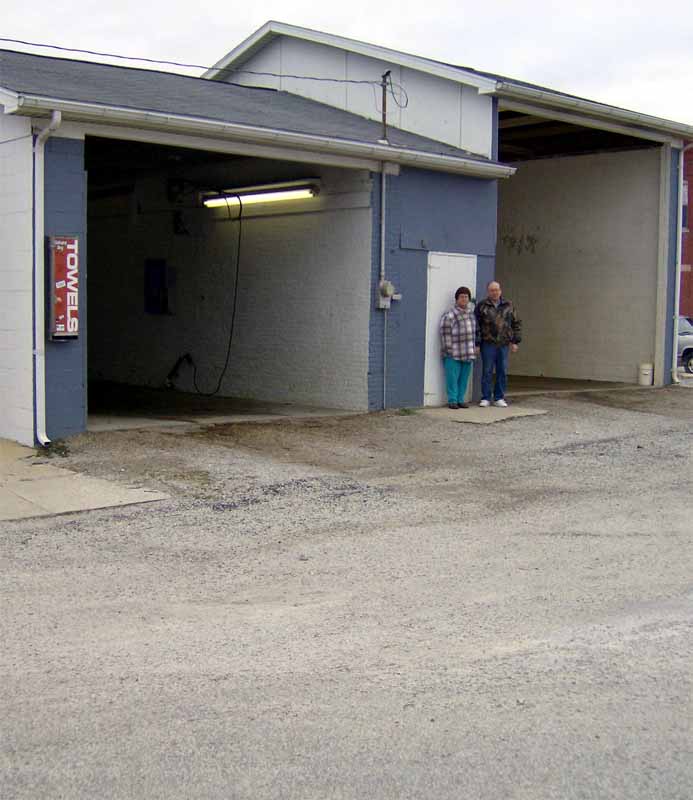
Ritter's Car Wash
- Phyllis & Larry Ritter - 2007

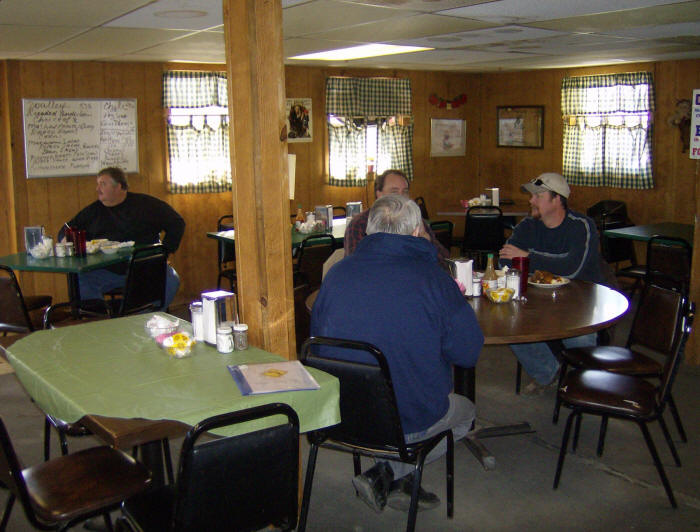
"The Curve" -
2007
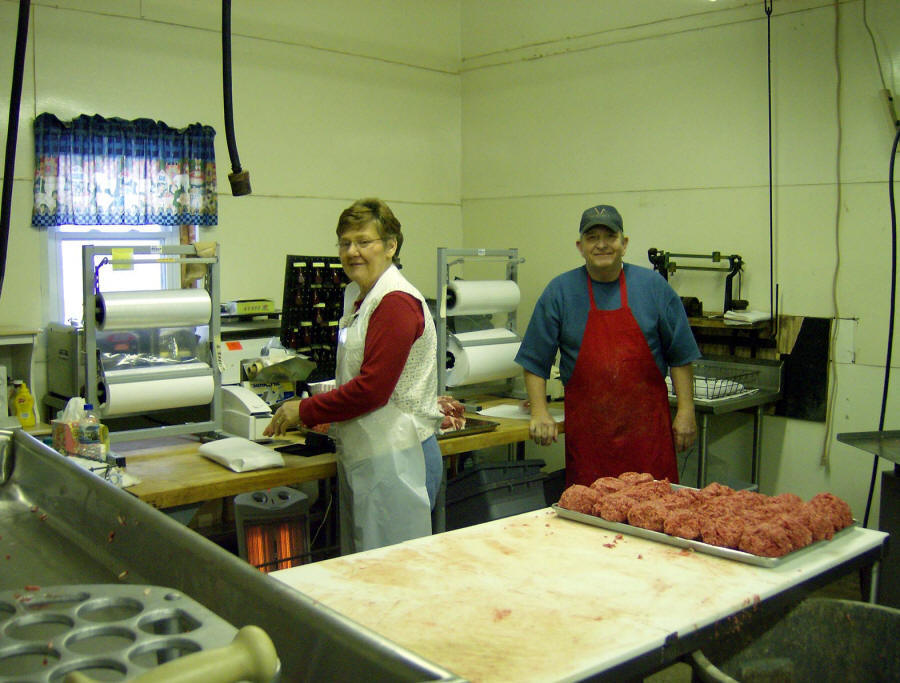
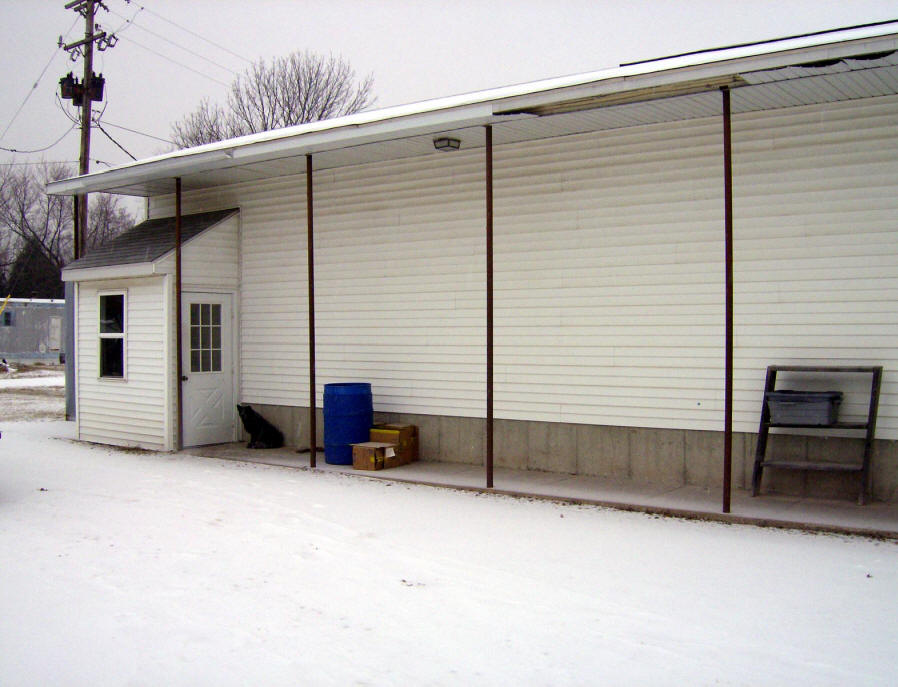
Veveto Meat
Processing - Bev and Paul Veteto (owners)- 2007
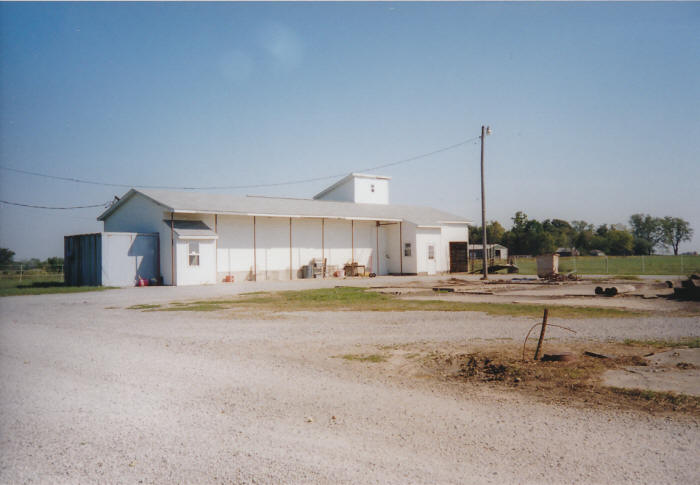
2007 - between 4th & 3rd streets on Lawn St.
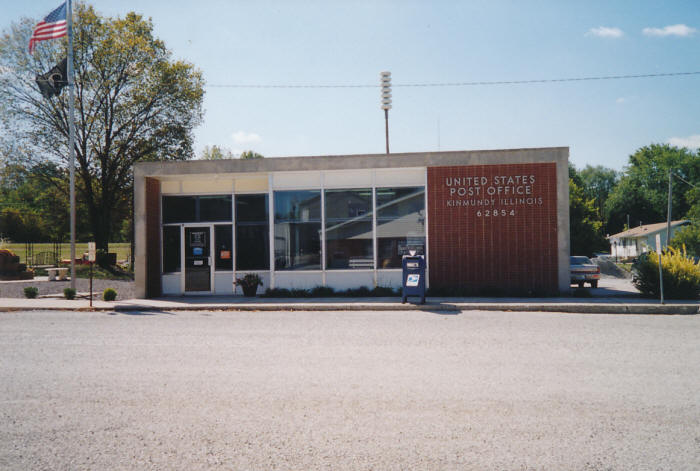
Kinmundy Post
Office - 2007
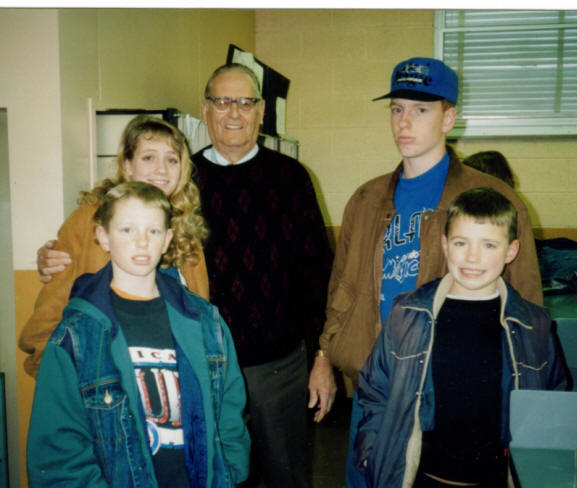
Post Office
Charlie Tockstein retiring 1995
with Willie, Ann, Ryan and Jason Shirley
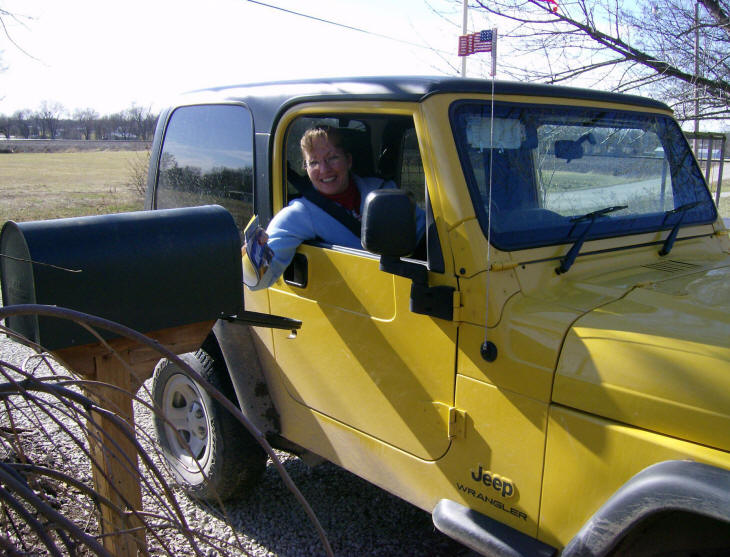
One of the Rural
Mail Carrier for Kinmundy Post Office - Susan Murry - 2007
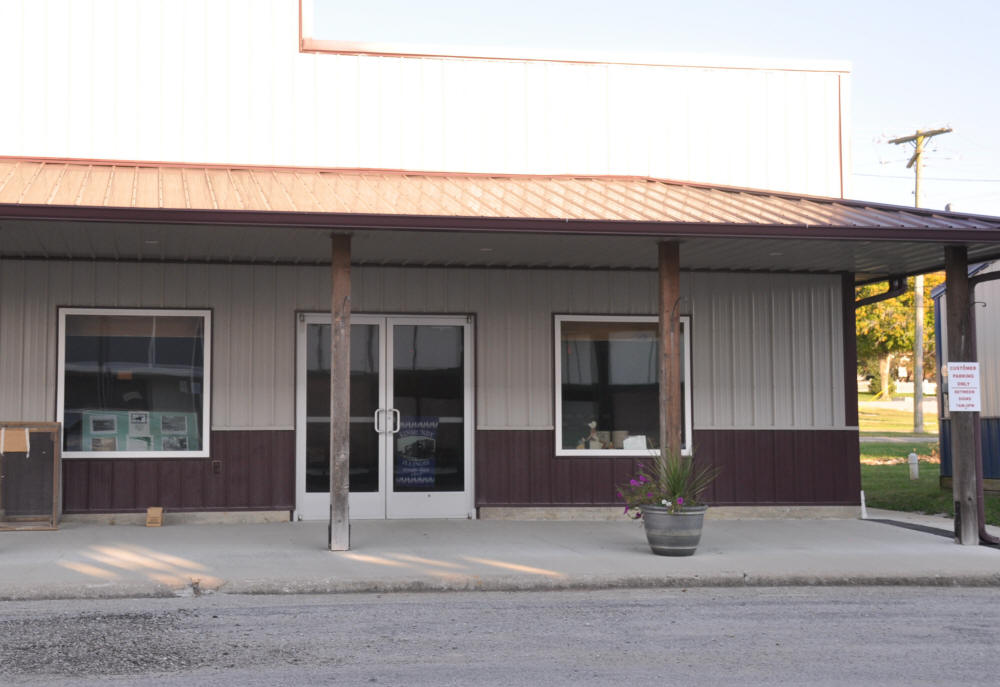
Kinmundy Historical Society Museum - 2016
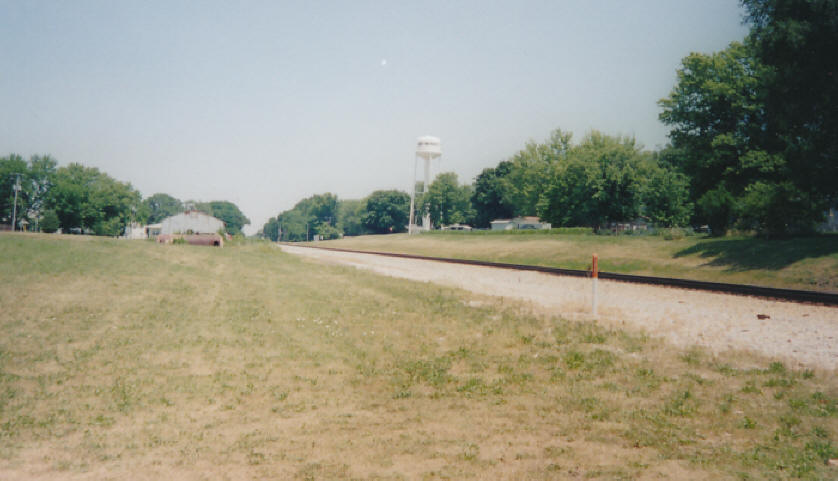
2007 - Looking north on Third Street. This is where Ingram's Elevator once
stood.
The old Vig Fertilizer building is in the distance.
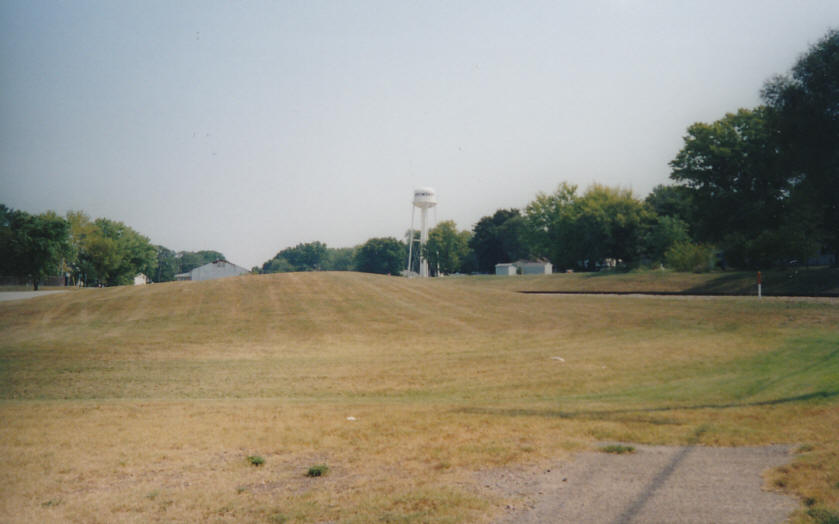
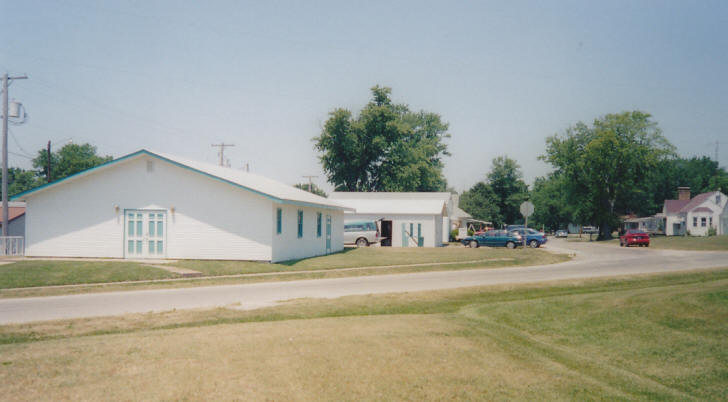
2007 - Pentecostal church
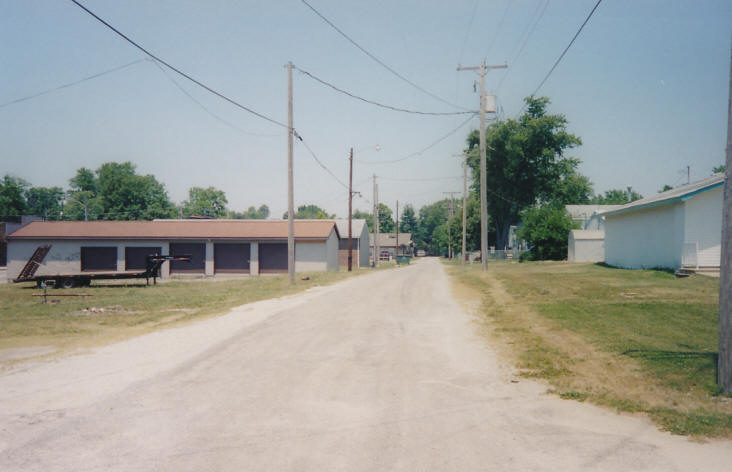
Alley east of Madison (Main) Street - 2007
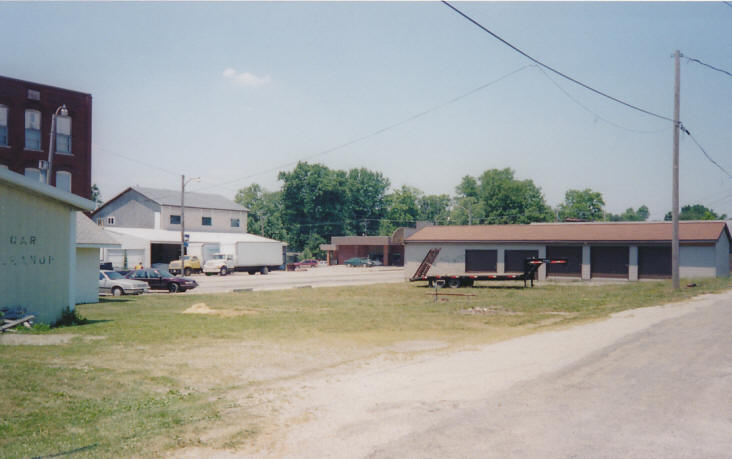
Alley east of Madison (Main) Street - 2007
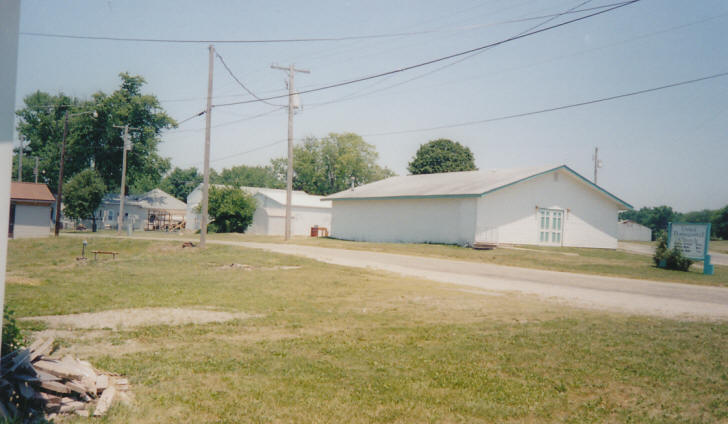
Looking at alley east of Madison (Main) Street - 2007
Electric Shop used to stand in the green area.
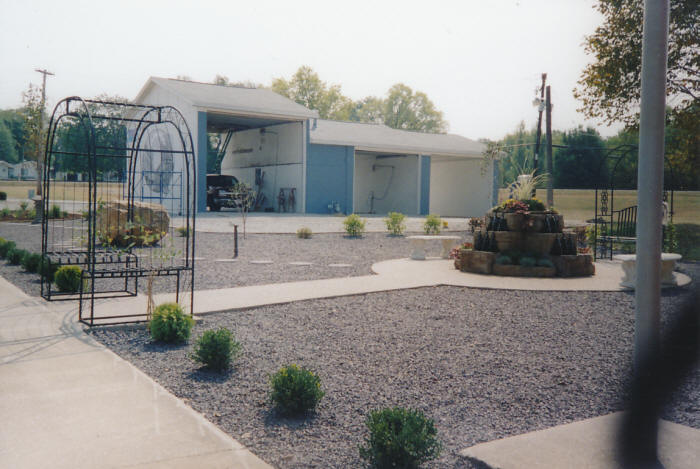
Serenity Garden and Ritter's Car Wash - 2007
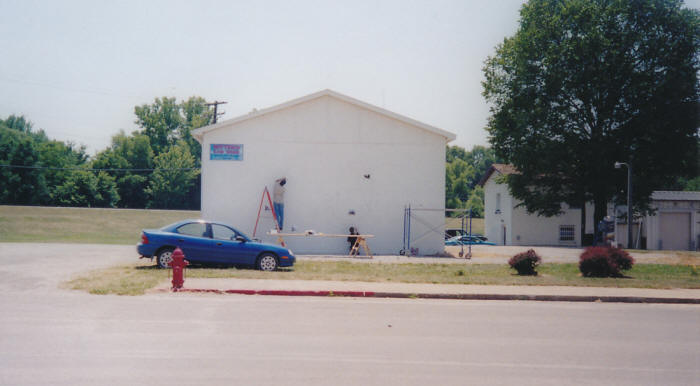
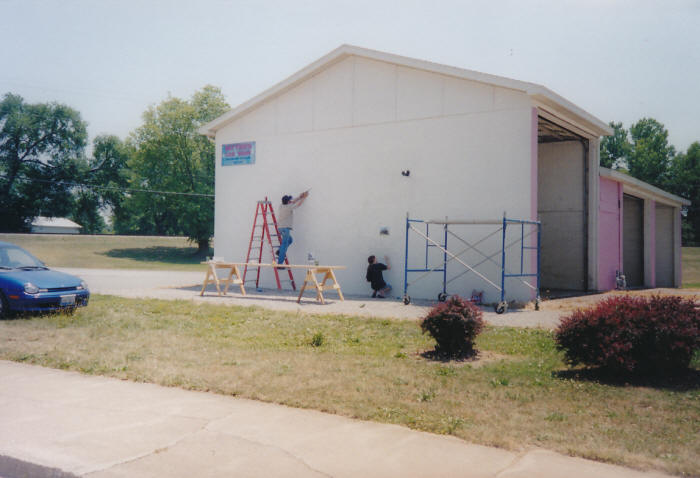
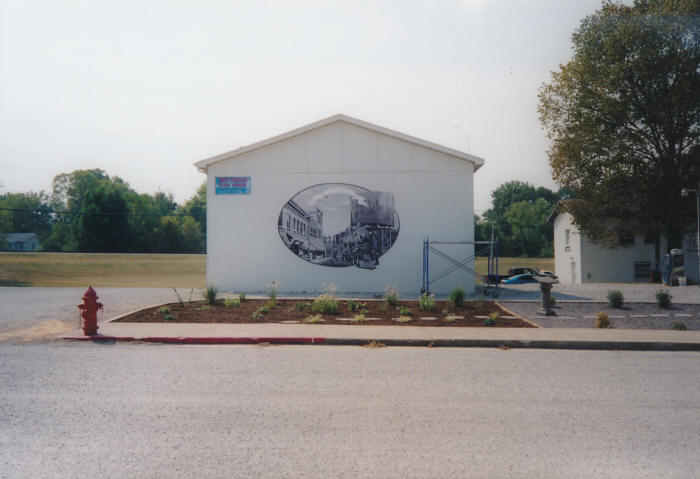
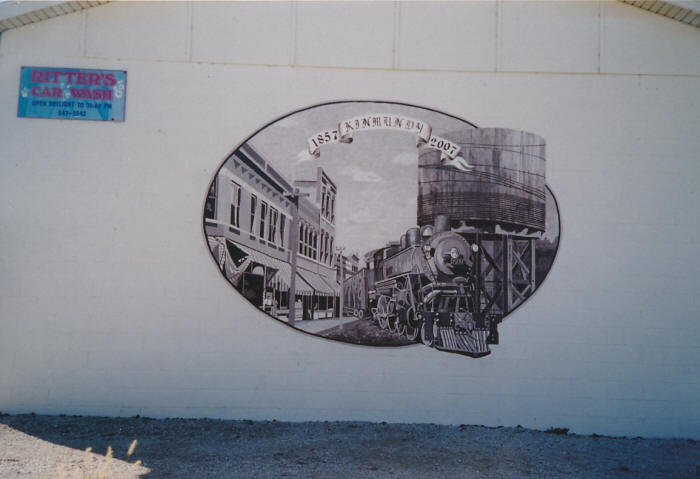
Mural on Ritter's Car Wash for Kinmundy's 150th - 2007
.jpg)
"The Kinmundy Express" - June 16, 2005
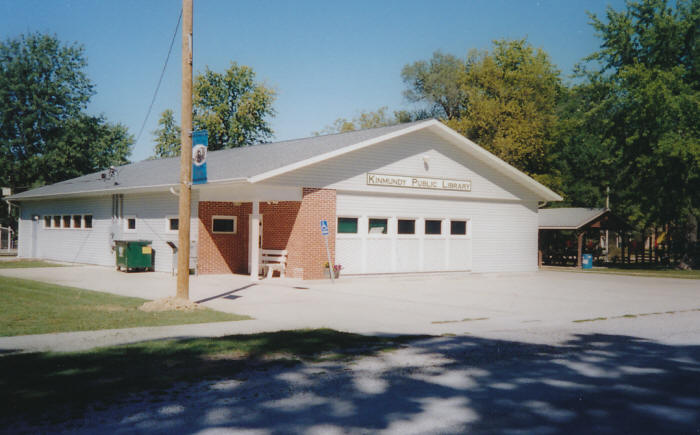
Kinmundy Library on Monroe St. - 2007
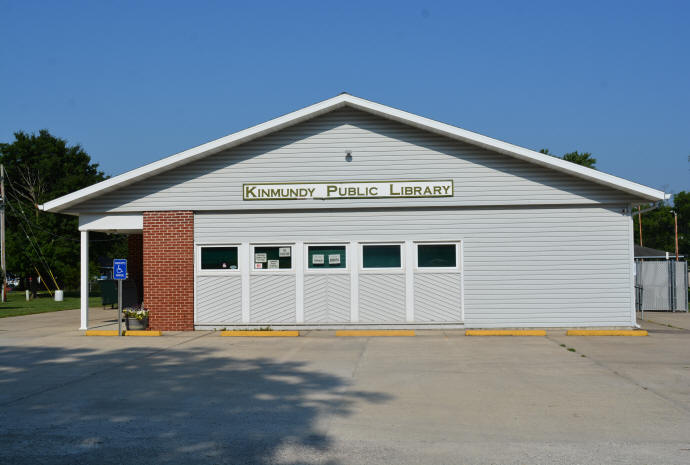
Kinmundy Public Library - 2020
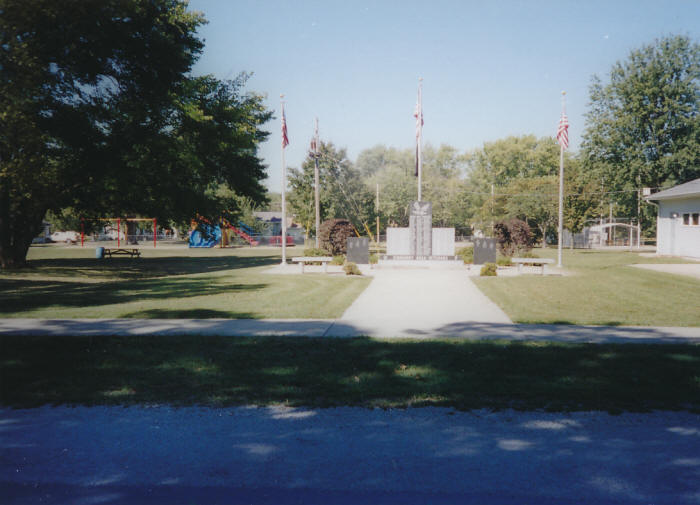
Kinmundy Area Veteran's Memorial - Monroe Street. 2007
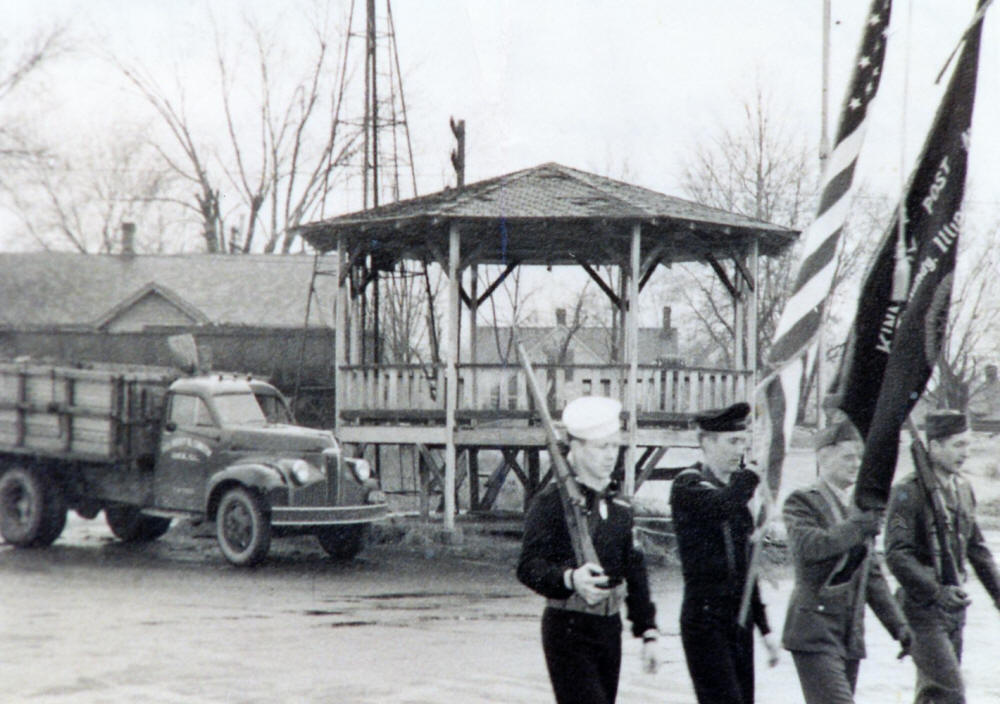
Keith Green, Calvin Barbee, Eugene Reese, and Wydell Pigg
marching the original old bandstand
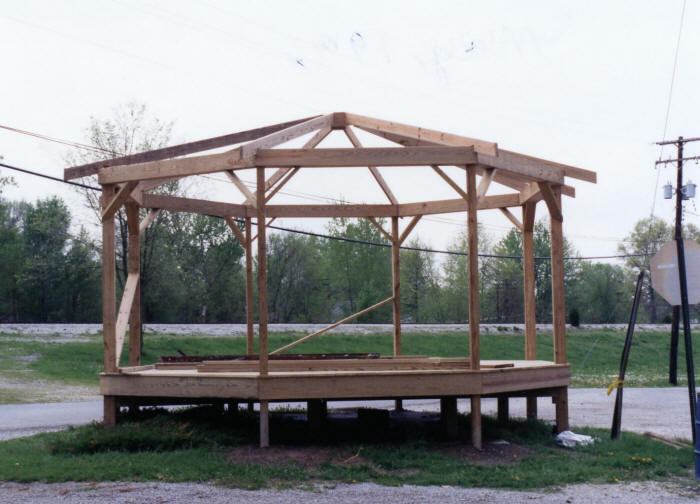
New Kinmundy bandstand being built - May 1996 - over the old
well
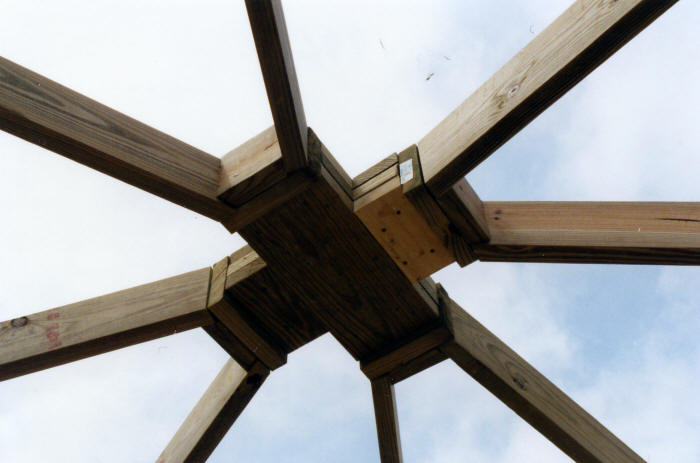
New Kinmundy bandstand being built - May 1996
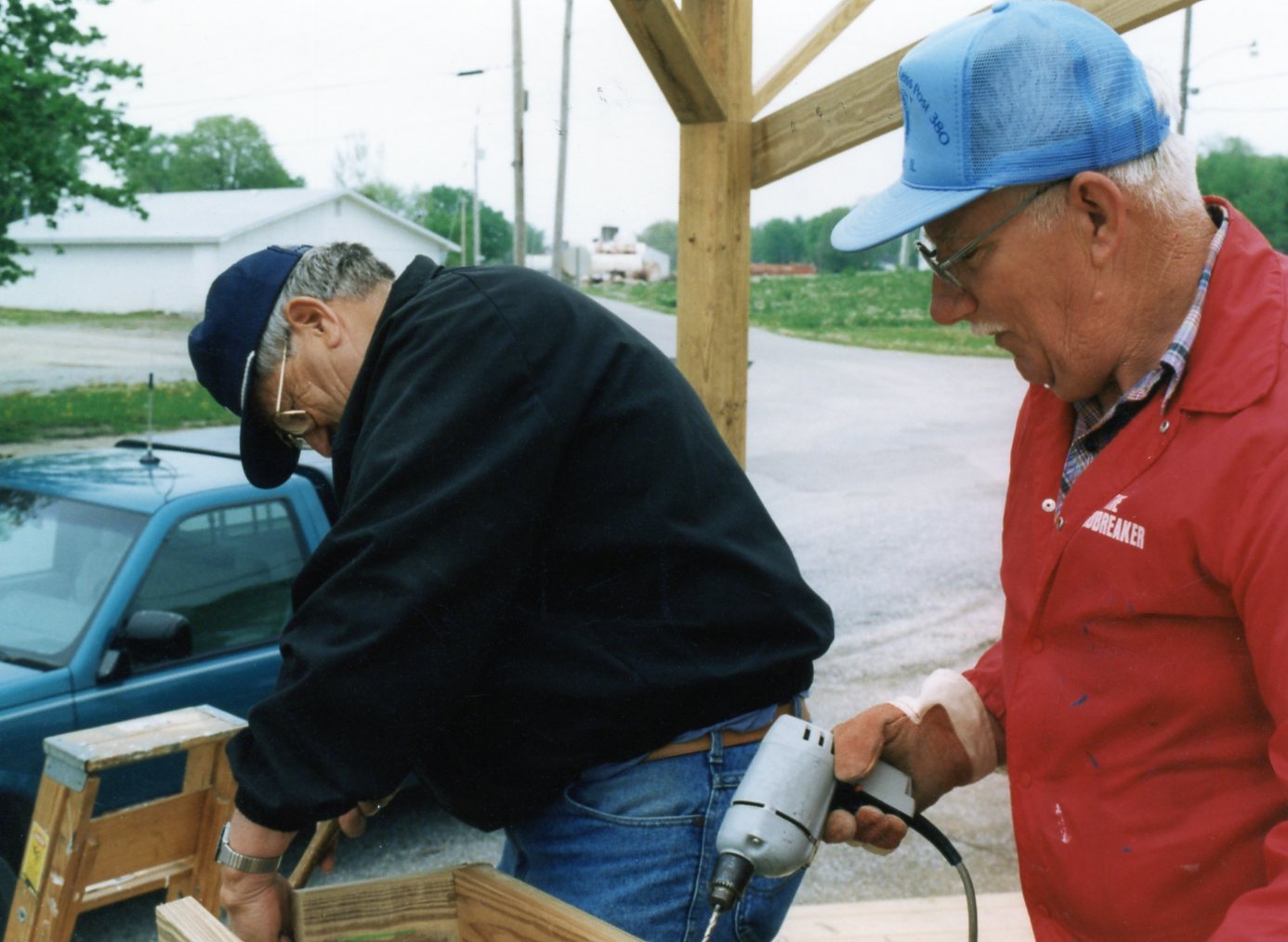
New Kinmundy bandstand being built - May 1996 - Larry Engel
and Dick Zivney
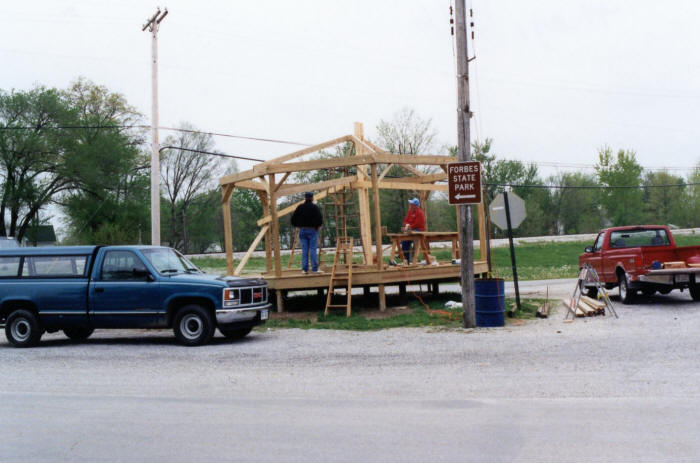
New Kinmundy bandstand being built - May 1996 - Dick Zivney
and Larry Engel
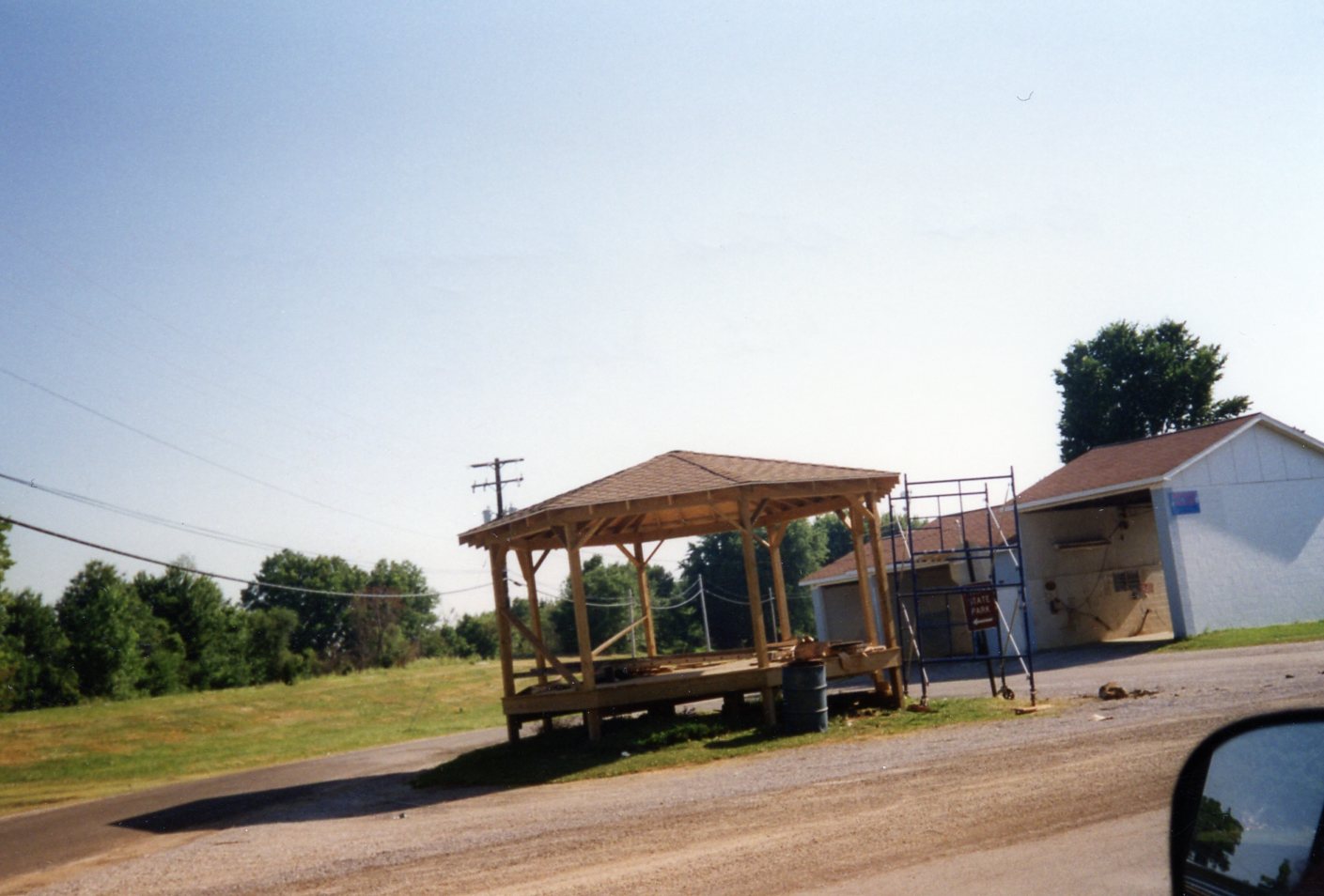
New Kinmundy bandstand being built
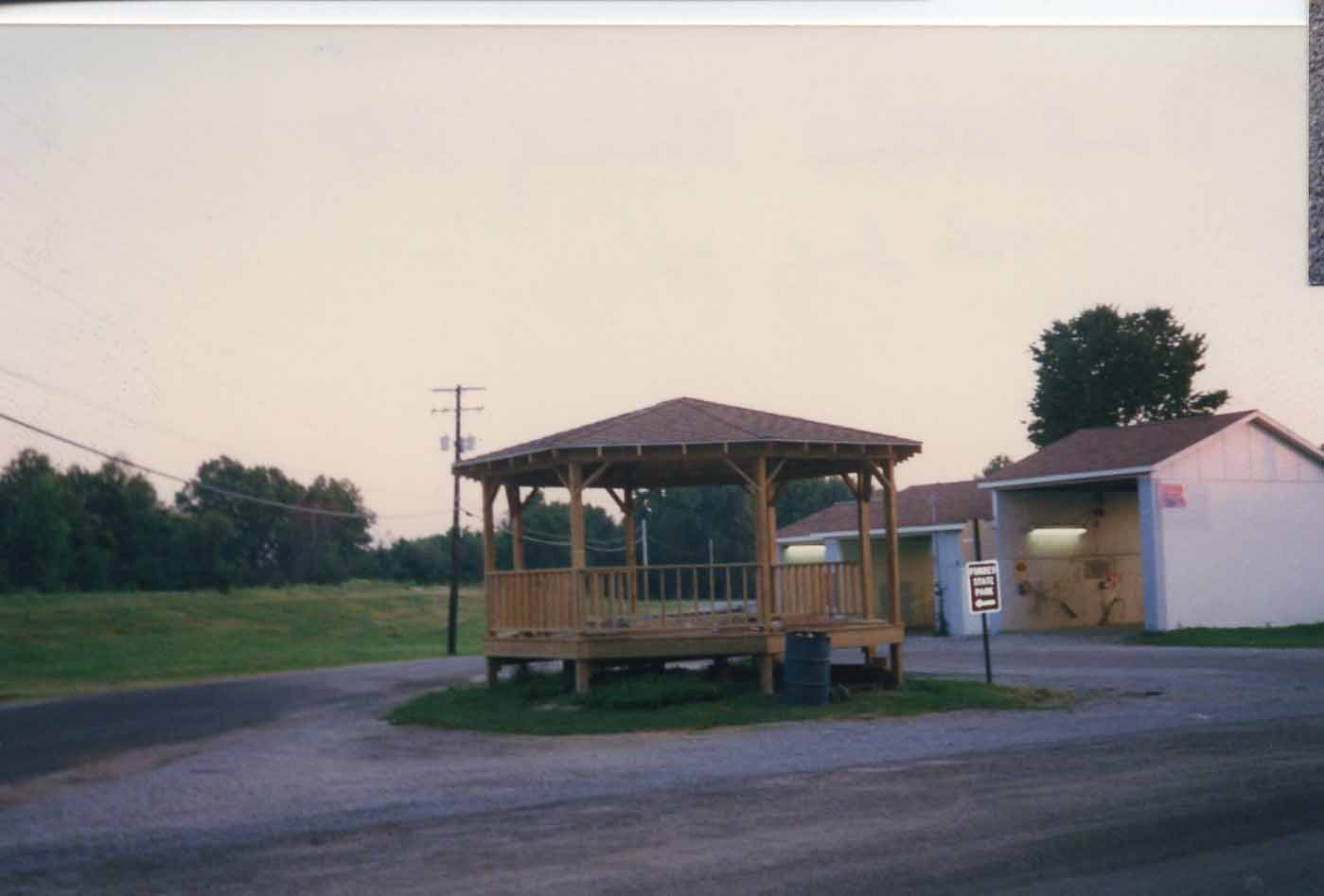
New Kinmundy bandstand being built - July 1996
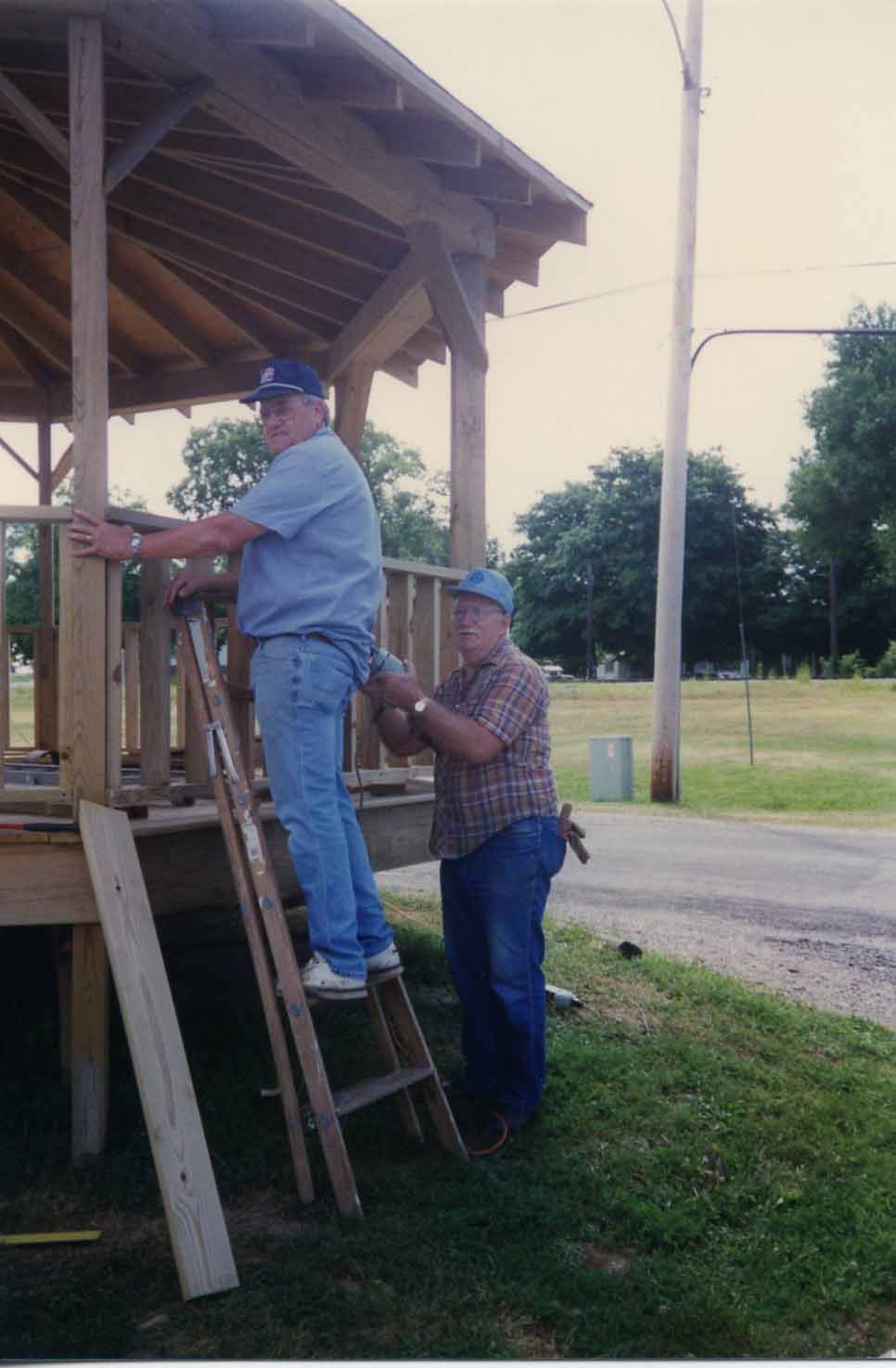
New Kinmundy bandstand being built - July 1996 - Larry Engel
and Dick Zivney
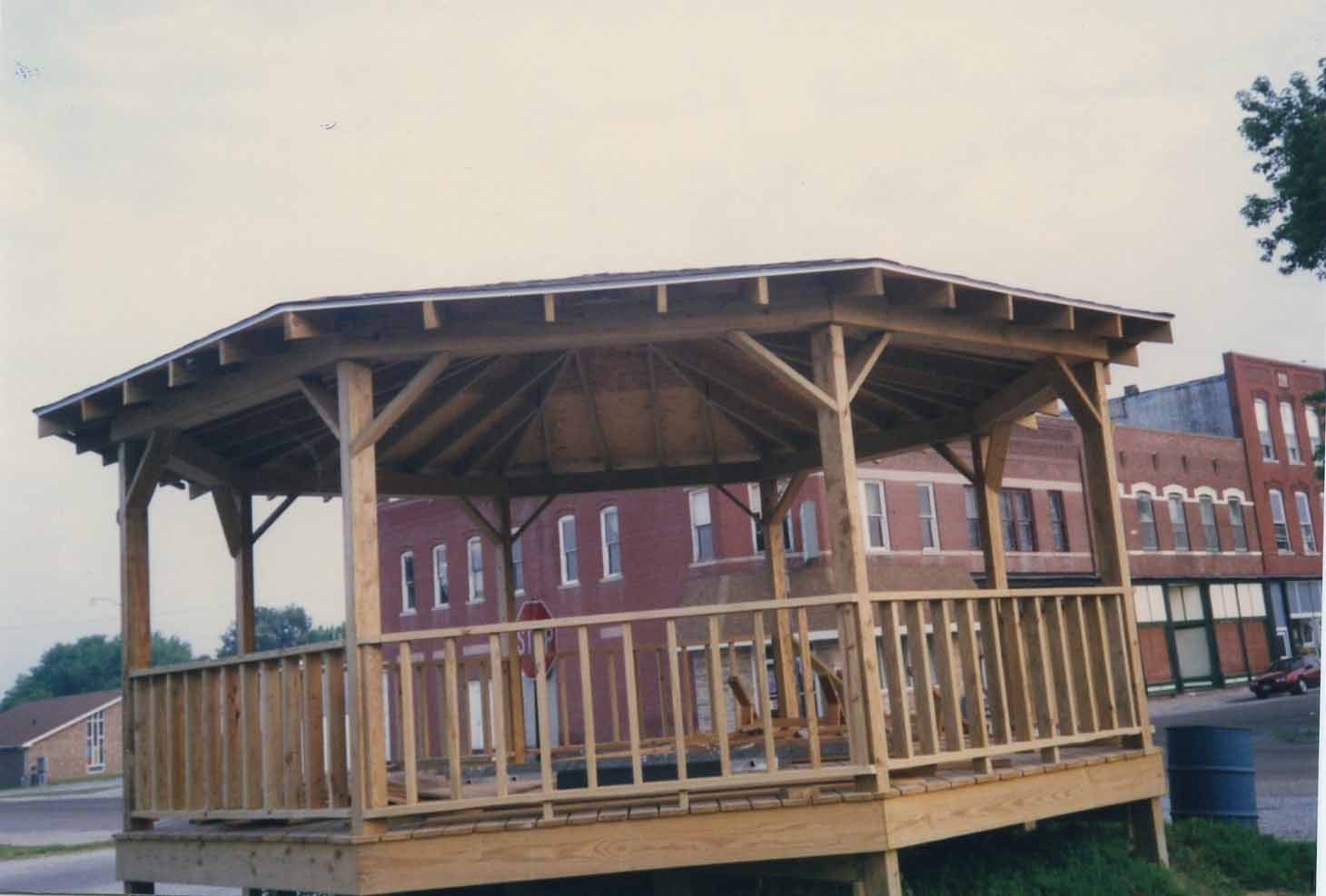
New Kinmundy bandstand being built - July 1996
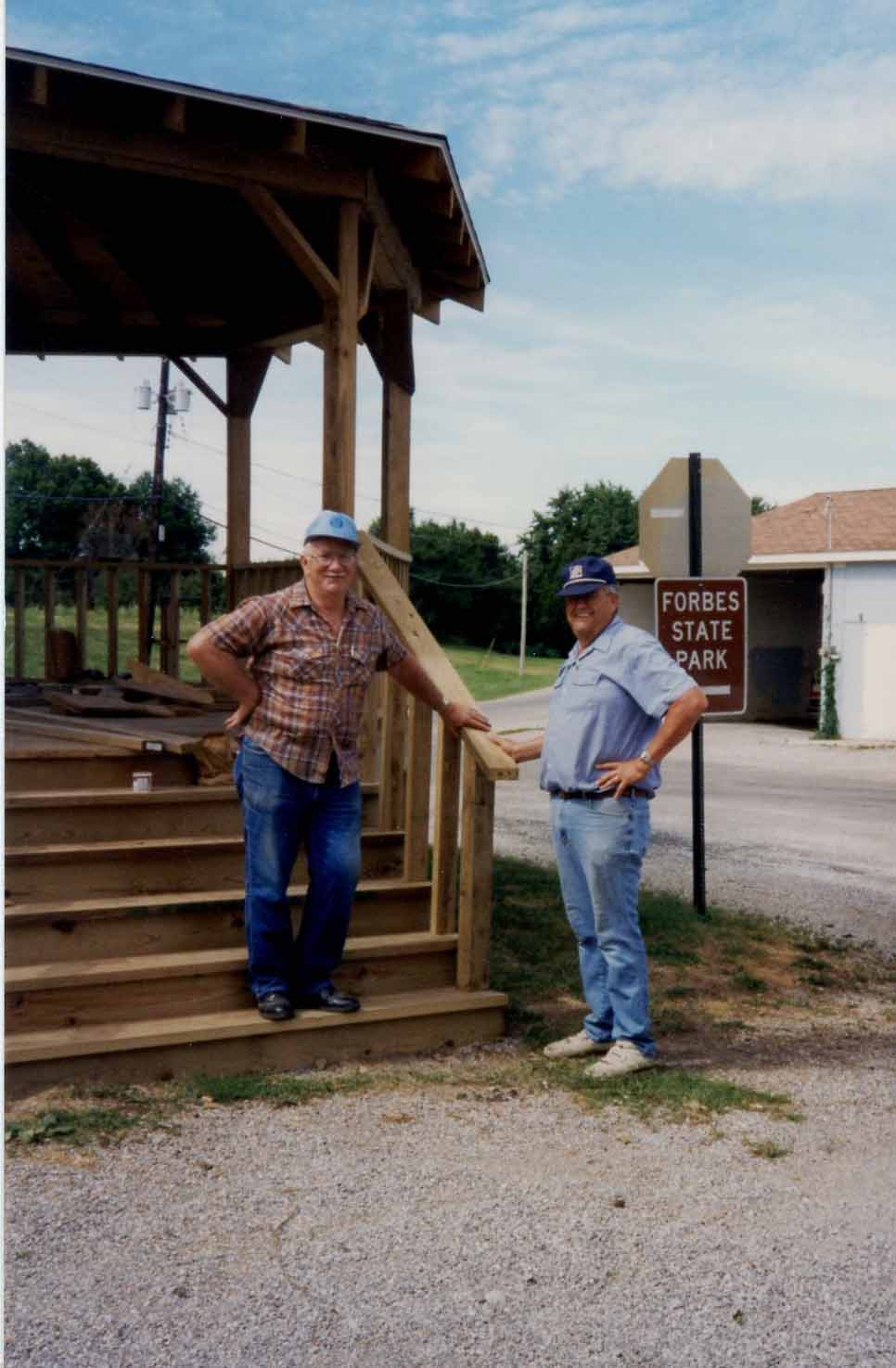
New Kinmundy bandstand being built - July 1996 - Dick Zivney
and Larry Engel
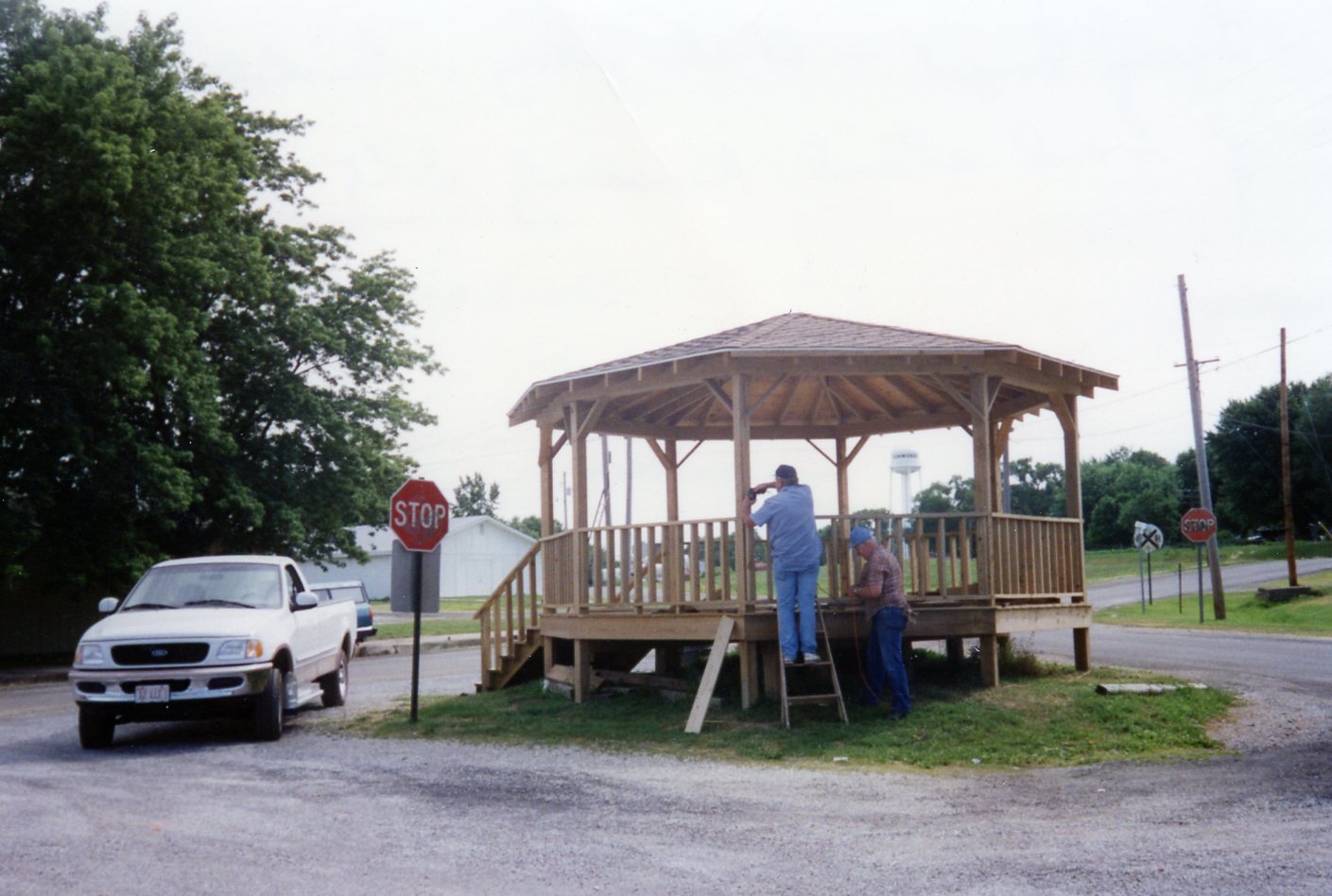
New Kinmundy bandstand being built - July 1996
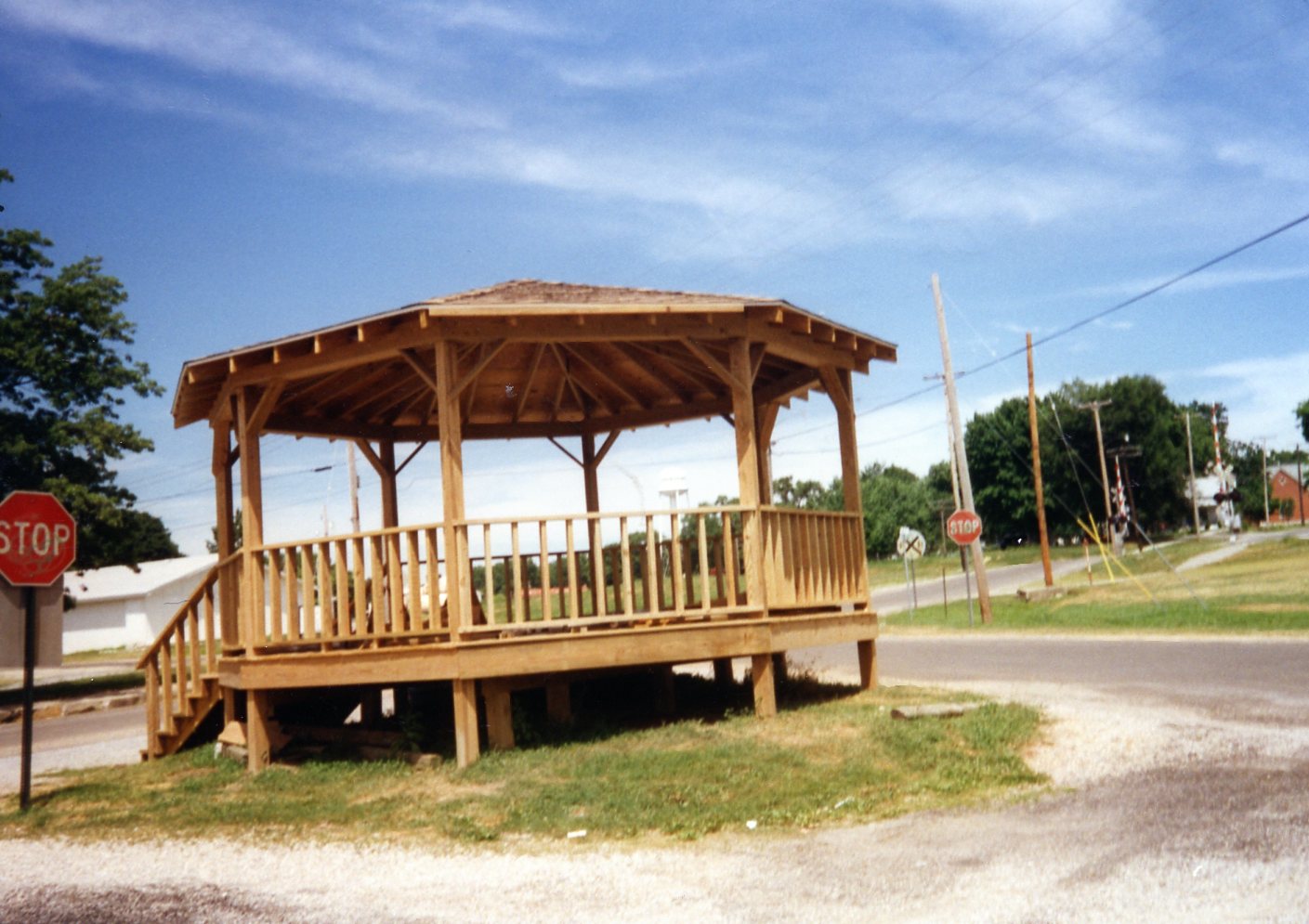
New Kinmundy bandstand being built - July 1996
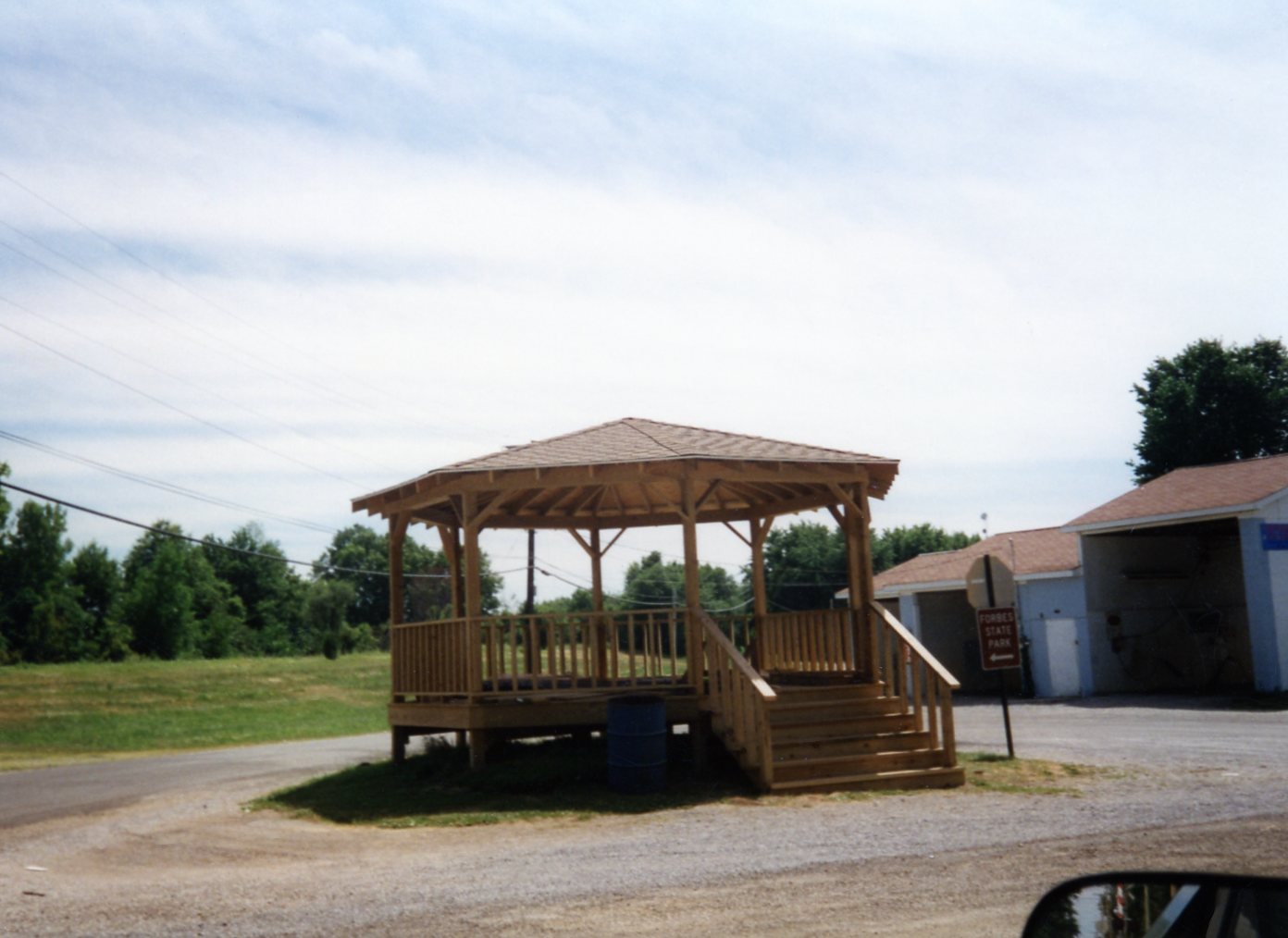
New Kinmundy bandstand - Labor Day 1996
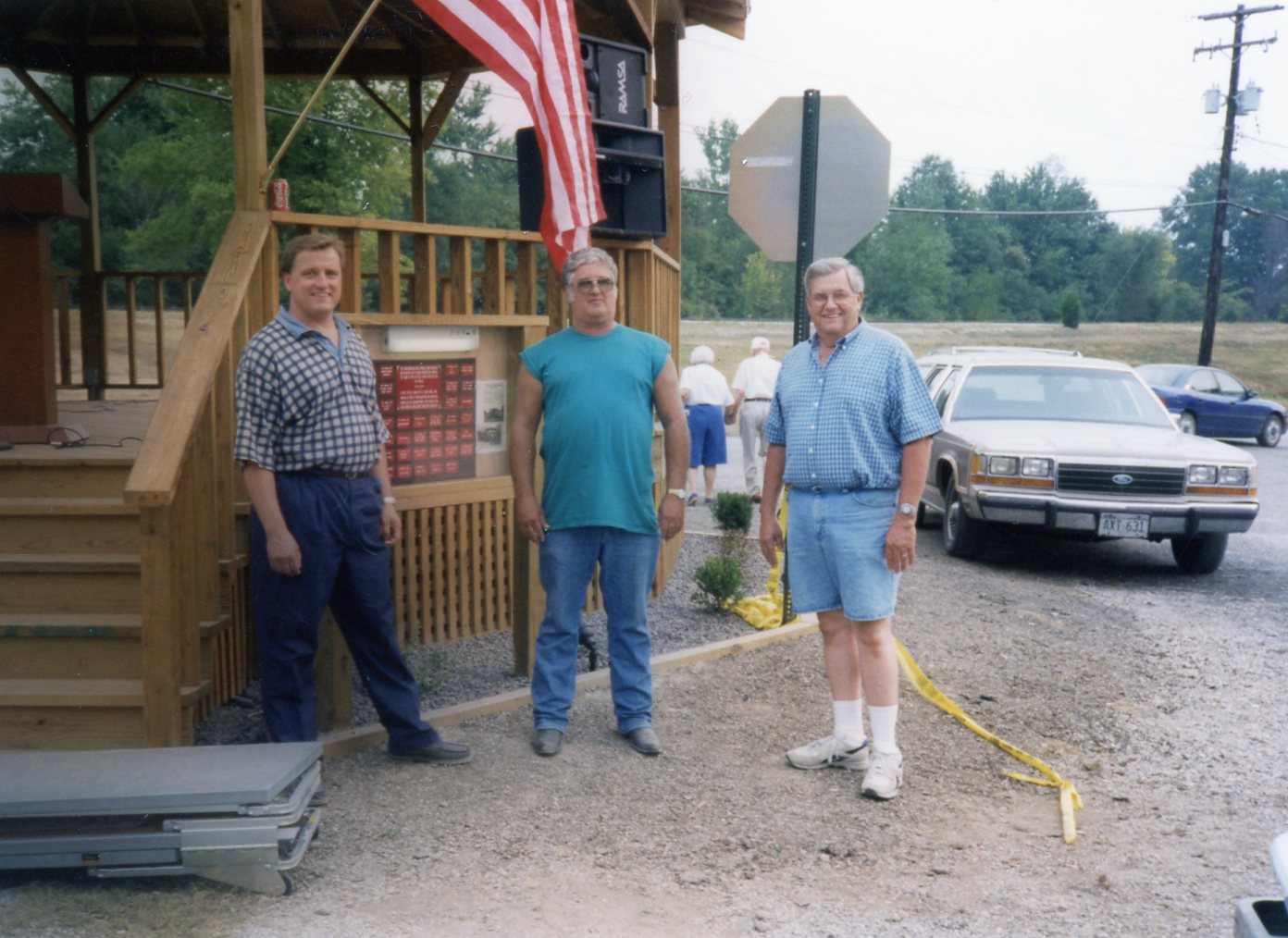
New Kinmundy bandstand dedication - Labor Day 1996 - James
Mulvany, Bruce Donoho, and Larry Engel
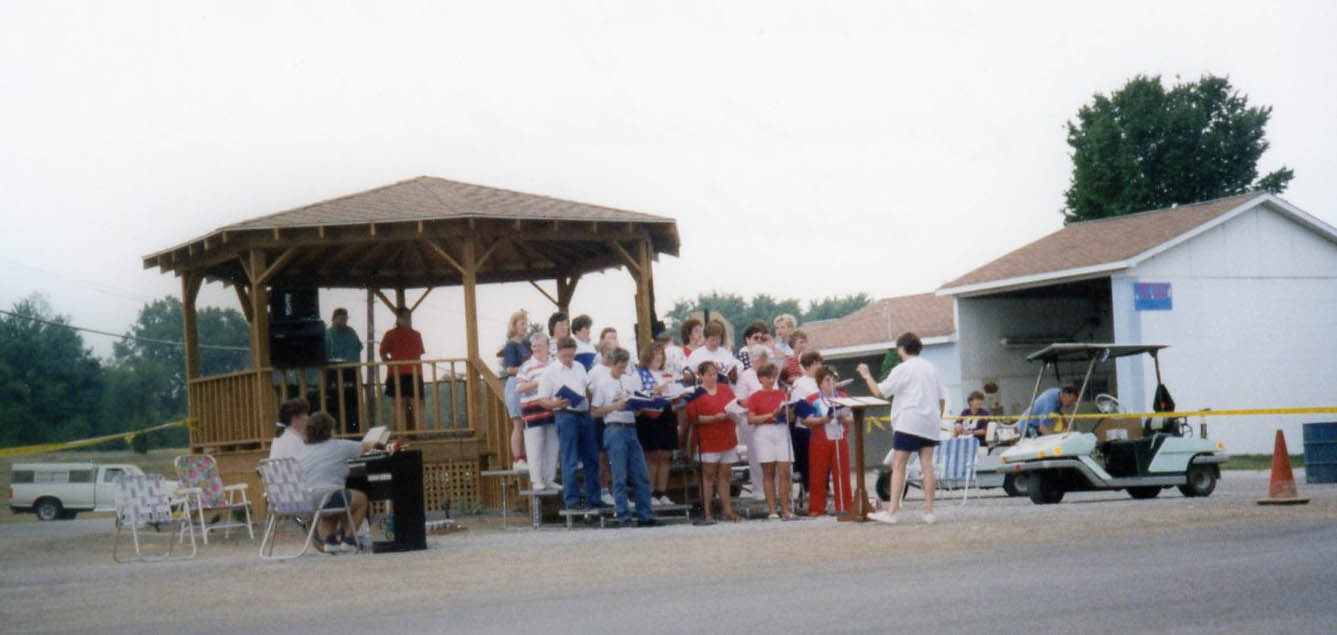
New Kinmundy bandstand dedication - Labor Day 1996 - Kendra
Engel on keyboard
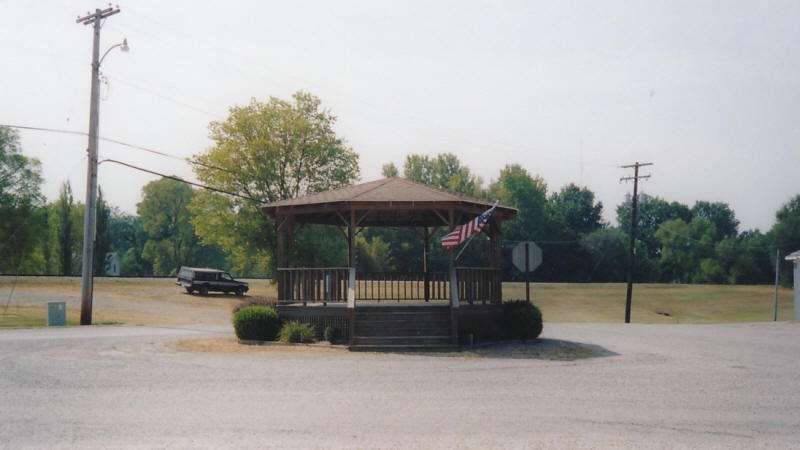
“Historic Structure Reappears in Downtown Area” - "The Kinmundy Express" - July
25, 1996
“Probably the most prominent piece of real estate in Kinmundy’s
colorful and respected past is the location where our new bandstand has been
built. I’ll elaborate on that a bit and see if you agree.
From the time Kinmundy was only a settlement back in the early
1800’s to the time that it was platted as a City in 1857 and 10 years later
incorporated with the State of Illinois as a City; there has always been a need
for a location to two wagons, buggies or just your riding horses, while
shopping, seeting a doctor, dentist, attorney, attending a play or concert at
the opera house or attending to any other business you might have in the City.
That location is the exact spot where the bandstand has been
reconstructed.
Water has always been plentiful at this location as a deep well – 12
feet in diameter is directly below the bandstand. The well was gravity fed from
the Illinosi Central Water Tower that once stood just north of the I.C. depot.
Feed was brought in so the horses were properly cared for.
The devastating fire of 1903 did not change, or alter, this
arrangement of caring for the horses.
This historic piece of real estate was used in the same manner for
approximately 100 years.
In approximately 1910-1915, the automobile began to replace the
horse and this almost sacred location was not needed any more.
Kinmundy has history, and was known in this area, for their
excellent ‘merchant band’. They played for about every occasion including
performances at the Kinmundy Opera House. There was a need for an out side
location in which this band could perform. The spot once reserved for the
horses, the spot that had been rendered almost useless had fallen victim to the
times.
The bandstand was built on this exact spot in about 1910-15. It has
served for band concerts, parties, celebrations, and yes, even boxing matches.
The building fell in need of repair and was torn down in the early 1950’s.
That spot, that became such a prominent one, in our early history
has stood vacant for about 45 years.
Each year at the alumni banquet reference is made to the bandstand
and the city fire siren which stood on a tower beside it.
At a City Council meeting in the early 90’s a reference was
concerning the restoration of the bandstand.
Today it stands almost as a monument to our past. A commitment and
dedication that we today are proud of, and will not forget, the past and will
aspire to build an even brighter future.
Much credit goes to many but especially to a few who did the
physical labor in the restoration work.
Bruce DONOHO headed up the restoration committee and deserves much
credit. Dick ZIVNEY spent many hours helping with the manual labor and we
appreciate his work.
Every project, to be successful, has to be planned in so many
different aspects. ‘Thank You’ goes to the architect, engineer and builder,
Larry ENGEL. Larry gave so much of his time to see this project through. From
the very first nail and plank to the final wiring, he was on the job. Thanks,
Larry.
Our sincere thanks to all who contributed financillay to see this
project completed. Enough contributions were received to build the bandstand
but not enough to complete the wiring and landscaping. If you would care to
help complete the job that will be a landmark in our city for many years, please
make your check payable to: Kinmundy Bandstand Fund c/o First National Bank,
Kinmundy, IL 62854. We hope you enjoy watching our city improve. By Elwyn
CHEATUM.”
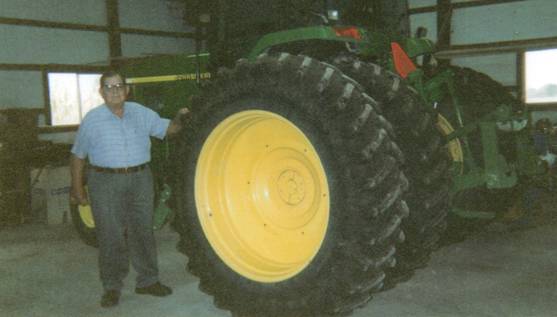
(B-664)
Dale Wright
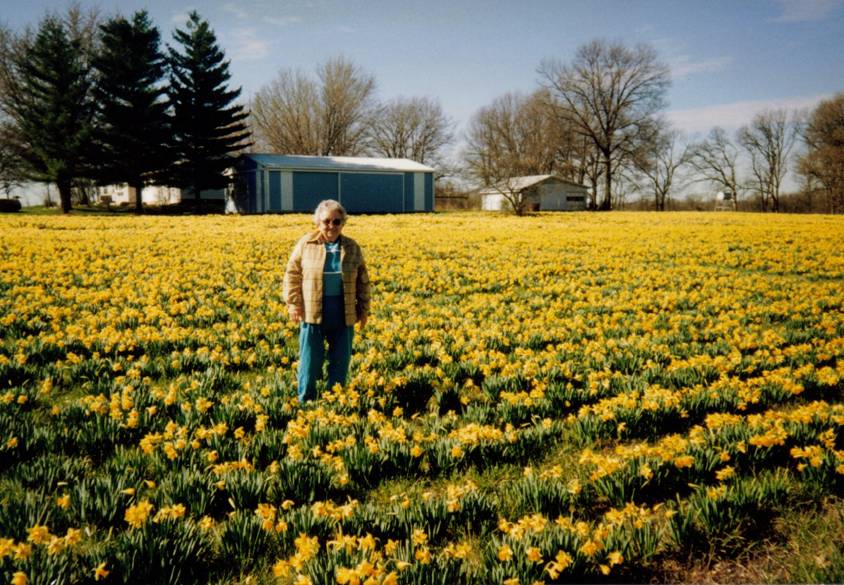
(B-544) Irene Gammon in her Daffodil Flower patch
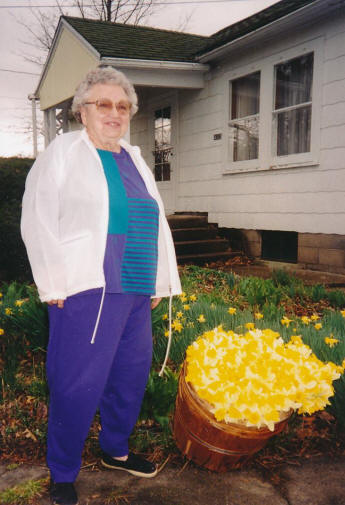
The Daffodils by Irene Gammon
The daffodils or Easter flowers as they were commonly
called were quite a business in the area at one time. They are also called
jonquils. The town of Alma had fields of Easter flowers around it, and almost
every home in the town had a patch of flowers which they shipped on the Illinois
Central Railroad to the Chicago markets along with a lot of other fruits and
vegetables which they shipped in their seasons.
Charlie and Bessie Gammon were born and raised in Alma,
so after they were married and lived in Kinmundy, they planted all their lots in
Easter flowers. They bought a lot on Highway 37 on which they planted flowers.
They also owned lots in Alma, which were in flowers. When all the flowers
bloomed, they were really busy, picking, counting, and tying in bunches of a
dozen. The bunches were packed in boxes with about 50 or 60 dozen in a box.
The boxes were addressed to markets in Chicago, taken to the I.C. Depot in
Kinmundy and shipped on the evening train for early morning markets in Chicago.
Then later they shipped them by truckload with Diss trucking whenever Alma
people had enough for a truckload. The truck would load in evening and drive
all night to Chicago, getting there for the early morning markets. They hired
school kids to pick flowers before and after school and also help to get the
flowers ready for boxing.
Mr. and Mrs. Fred Alexander of Kinmundy also had a patch
of flowers, which they shipped. They later donated their patch of flowers to
the Christian Church so they could make money for the church. People from the
church volunteered to do the work.
Mr. and Mrs. Gammon shipped their flowers every spring
until Mrs. Bessie Gammon passed away in 1961. Then Mr. Gammon sold his flowers
on Highway 37 from a table beside the road for a few years. After Mr. Gammon
died in 1969, Fred and Irene Gammon inherited the flower patch on Highway 37.
Since they had always helped their parents with the flowers, they continued to
sell flowers on the highway from a table with a box for the money when they
weren’t there. They left cans of flowers in water and used the honor system,
which worked very well. After Fred Gammon passed away in 1976, Irene continued
to sell flowers on the highway until 1996 when she sold the property to Lewis
and Helen O’Dell, who built a house there. There are flowers still blooming in
the back and by the side of their house each spring.
Larry and Phyllis Ritter bought several rows of flowers
on the south of the lot of flowers. They have sold flowers from their front
yard all through the years. There are several different kinds or varieties of
flowers including King Alfred, Emperors, Empress, Van Wavern Giants, which are
all yellow shades, and white ones called Poets or Narcissus and Mt. Hood.
Irene Gammon has a lot or hill east of her house planted
in flowers of many varieties. The yellow ones bloom first and then the white
ones.
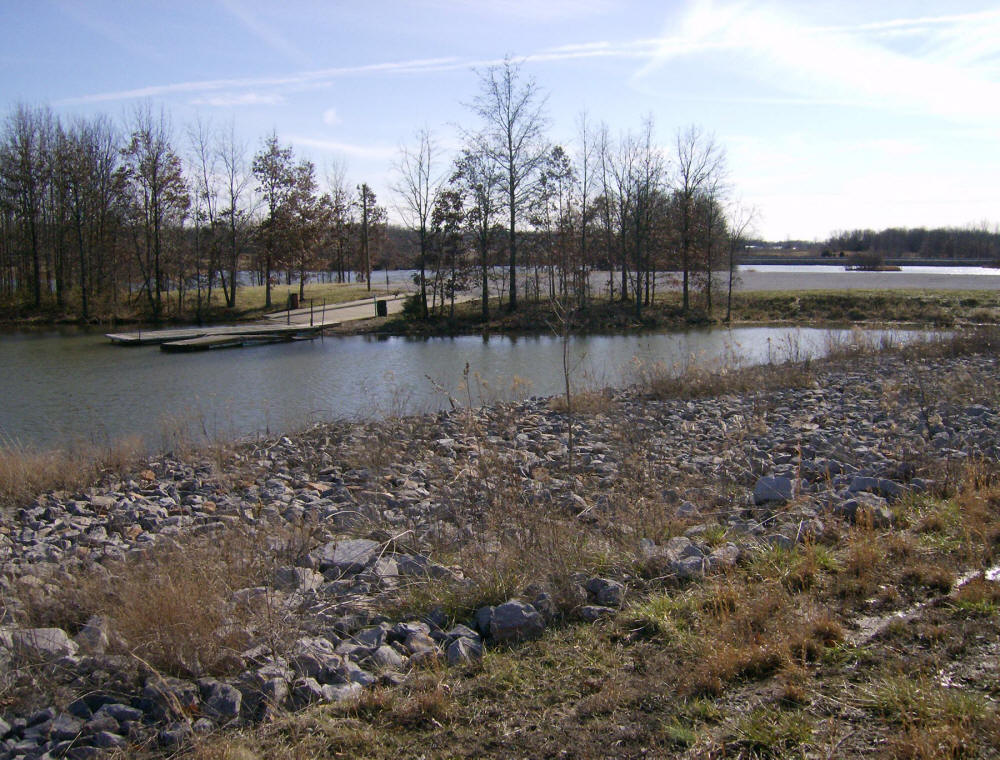
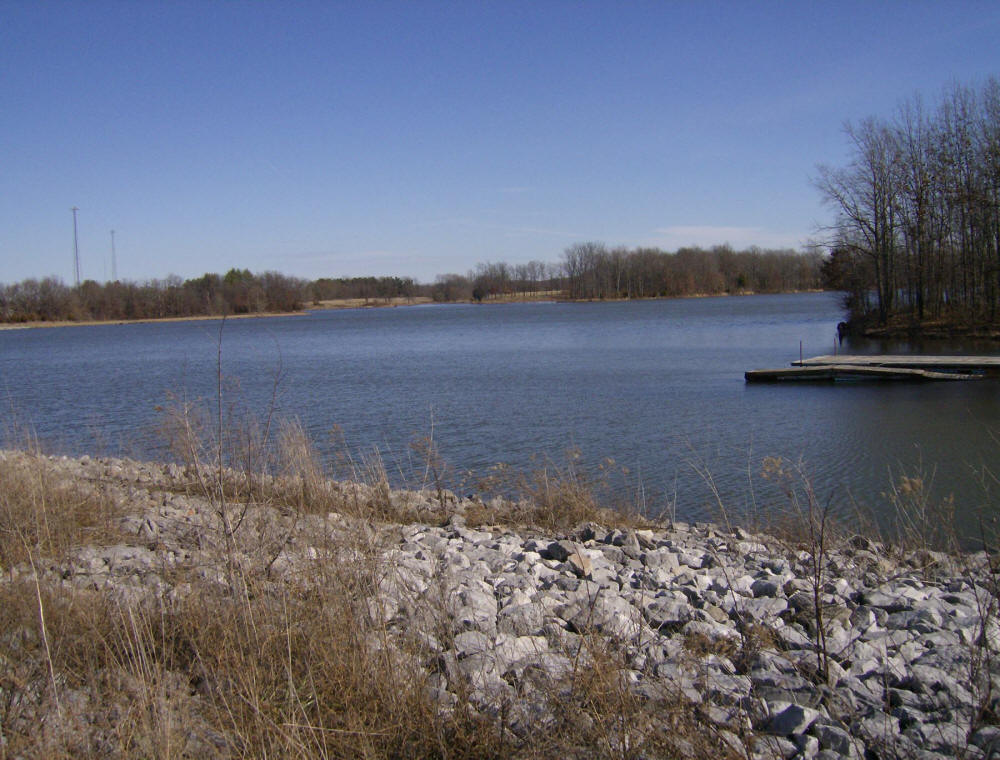
Kinmundy's new
lake in 2007
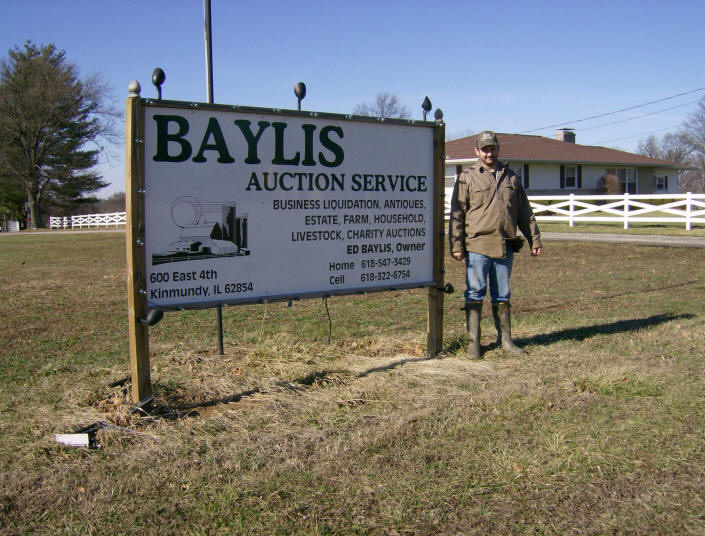
Ed Baylis -
Baylis Auction Service - 2007
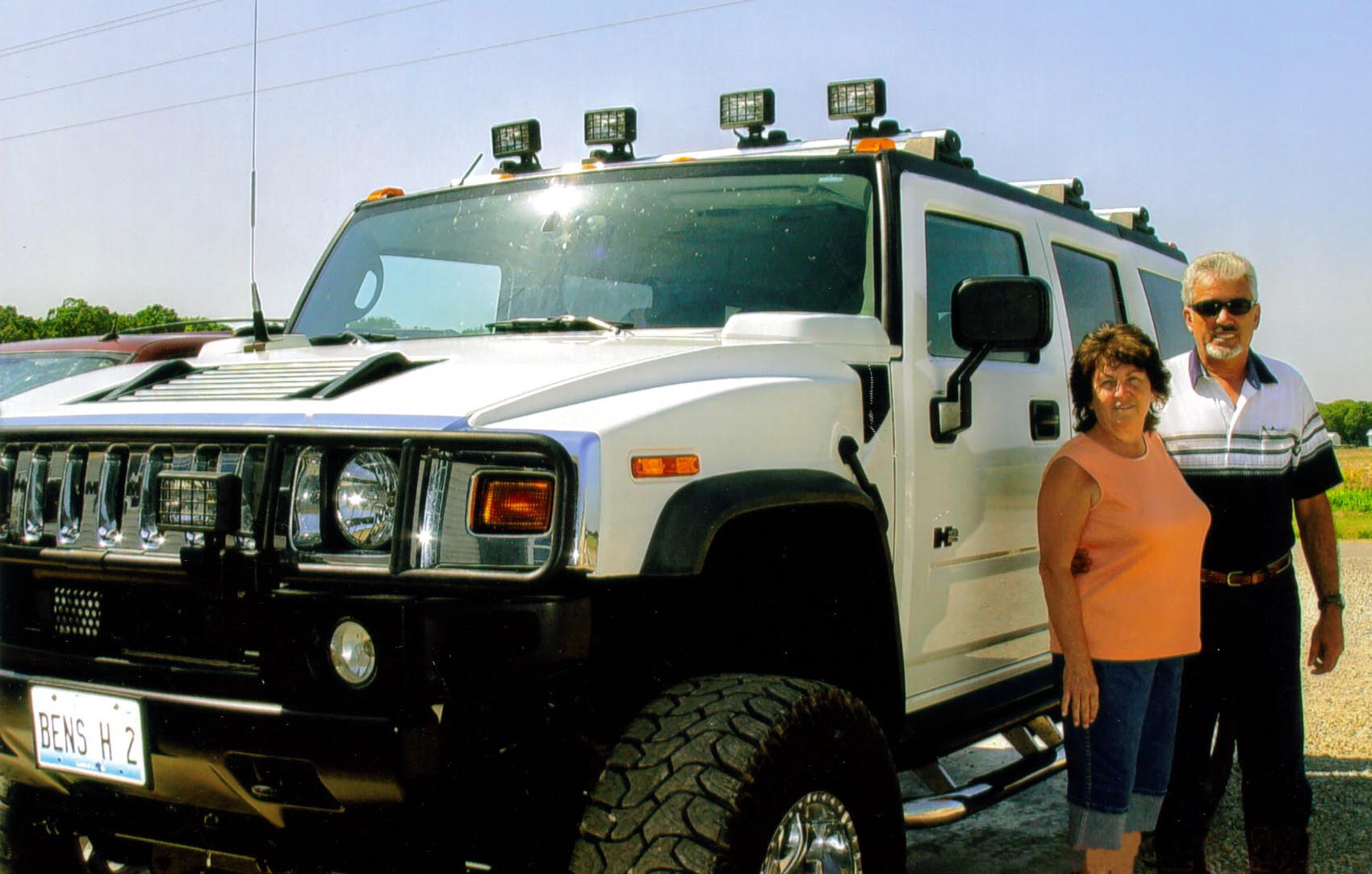
Deep Rock Energy Corp. - Marilyn and Ben Webster
"Chicago Tribune"
New oil strike fuels boom in Illinois Basin
Find in southern Illinois sparks a resurgence of drilling and
memories of a storied past.
March 09, 2003
By Melita Marie Garza, Tribune staff reporter.
"
"SALEM, Ill. — In the mid-1980s, when oil prices plunged
to $10 a barrel, the oil business in Illinois essentially went
bust--quite a fall from the 1940s when, according to the state oil
association, only Russia and Venezuela produced more.
Then came last year's discovery of oil under Stephen A.
Forbes State Park near here--the biggest find in a half century.
Newer technology allowed Ben Webster to drill 3,900 feet down
and 250 feet sideways to tap the oil without disturbing park land. His
strike, in turn, rekindled interest in the Illinois Basin, an oil patch
extending from southern Illinois through southern Indiana and into western
Kentucky.
"Ben Webster made a huge discovery," said Bryan Temple Hood,
another Salem oilman. He thought Webster's idea was so good that he quickly
pursued and obtained a state permit to exclusive rights for oil exploration
under the rest of Forbes State Park.
Tapping the big find, Hood said, "just takes time and
technology and the right person to develop it."
Still, Hood doesn't harbor illusions about huge fortunes to
be made, even though oil prices are pushing $40 a barrel, up from $25 at the
time of the discovery.
"Nobody expects these prices to last," Hood said. "Everyone
knows that if there is war with Iraq, and if it is quick and successful,
that prices will drop just as fast as they did after the gulf war."
Even companies with the fortitude to embark on bold, new
drilling programs face another challenge--a shortage of workers created by
the 1980s oil bust.
"The people who worked on the rigs found other jobs in
factories, even out of state," said Hood. "Now we have this problem where
oil is more than $30 a barrel, but you can't find enough skilled people
willing to go out and look for oil."
Still, the price boom has netted the cash-strapped State of
Illinois $2 million in royalties from Webster's wells during their first
year of operation.
Dozens of small and midsize independent oil companies now
operate in the area, extracting oil from underground reef and rock
formations shaped by an inland sea that covered the Illinois Basin hundreds
of millions of years ago.
Webster's Deep Rock Energy Corp. is far from the norm. A week
ago it was selling about $83,000 of oil a day. Its largest well produces
more than 2,000 barrels a day, which might not sound impressive except that
the average oil well in the state yields 2 1/2 to 3 barrels a day. The
entire Illinois Basin produces about 35,000 barrels a day.
It wasn't always so. At its peak in
1940, the Illinois Basin produced 150 million barrels of light, sweet crude
oil, said Brad Richards of the Illinois Oil & Gas Association. Back
then, a barrel of oil sold for $1.05.
A 1941 newspaper account said Illinois oil production was
"outmatching barrel for barrel the combined output of Iraq and Iran," Bryan
Huff of the Illinois State Geological Survey wrote in his history of the
state's oil industry.
Forty-five years later, Illinois's oil industry went into a
tailspin. In 1986, oil prices plunged to $10 a barrel from $25 a barrel,
forcing many companies to shut down or sell.
Sturdier companies such as Salem-based Shakespeare Oil Co.,
now a third-generation-owned firm, drilled 63 wells in 1985. The next year,
when the price collapsed, the firm drilled three. The company now is run by
Hood, 33, who took over from his grandfather.
With most of the state's wells older and less productive,
virtually all the major oil companies, including ChevronTexaco Corp., Unocal
Corp. and ExxonMobil Corp., have pulled their exploration rigs out of
Illinois.
Unlikely oilman
Enter Ben Webster. At 53, he might seem an unlikely oilman. A
self-educated land surveyor who also farmed and ran a construction company,
Webster had surveyed hundreds of oil fields for a slew of Downstate
companies and worked with seismologists mapping the fields.
Though the oil industry increasingly has come to rely on high
technology, many swear by a more folkloric concept: "closology."
"Everyone wants to drill as close as they can to a known, big
field," Webster said.
He approached Ceja Corp. of Tulsa, owners of a big field near
the state park, and convinced them to partner with him.
Webster and some of his deep-pocketed partners raised almost
$1 million to get the project started. But a big complication quickly arose:
Some 140 people owned the mineral rights under the section of the park he
was seeking to tap. And most of them didn't know it.
Working with Salem lawyer David Garner, Webster's Deep Rock
Energy spent about a year tracking down the mineral-rights owners. Most were
descendants of original leaseholders and had long since left Illinois.
Ultimately, all agreed to lease their rights to Deep Rock in
exchange for a share of the profit."
"It's a miracle," said Leigh Carter, a real estate
executive, who last month received her first share of oil profits:
$2,106.50. Carter, 50, of Tulsa, and her sisters, Kathy Boss, 51, and
Claire Lieurance, 48, inherited the mineral rights from their
grandfather, Wilder Stuart Carter, who died in 1953 and had never lived
in Illinois.
Most leaseholders "will see a few hundred dollars a month
from the wells," Webster said.
Since no drilling is permitted on state park land, it was
done horizontally from land leased from the First United Methodist
Church in Kinmundy, Ill., a small town about five miles west of the
wells. The church also shares in the proceeds.
"The new money is a considerable blessing," said Rev. Shalom
Renner, the church pastor. "It allows us to continue to give to good causes
and build an endowment to do it."
Deep Rock shelled out $1.6 million to drill one of the wells.
Although Webster declined to reveal his revenues, he said he sells about
2,450 barrels a day from his two biggest wells.
Illinois oil generally sells for $2 to $3 below the closing
price for U.S. crude oil on the New York Mercantile Exchange. On Friday,
crude oil closed at $37.78.
Webster trucks his oil to Petoka, Ill., where it is shipped
to Marathon Oil Co.'s refinery in Robinson, Ill. Previously, he sold to a
refinery in Mt. Vernon, Ind., that turned the oil into roofing shingles.
A family affair
Most of Webster's family, including his two sons, daughter
and son-in-law, work in the business. They plan to drill a half dozen more
wells on land he's leased around the park.
They often work out of a small, yellow-sided house that
Webster moved to the well site. It had been the home of his father, who had
been a roughneck and a laborer in the oil fields around the state.
"A lot of our friends call us `The Waltons,"' Webster said.
"We work together, and then we take vacations together."
The oil-well setting itself seems surreal.
Blazing torch fires generated by gas that is flared off
Webster's wells light up the night sky for miles and attract deer.
"The whole herd," said Webster. "Maybe 20 or so come to warm
up every once in a while."
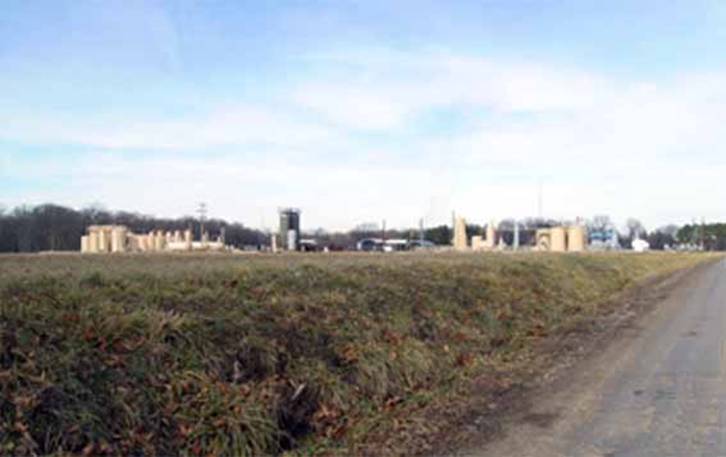
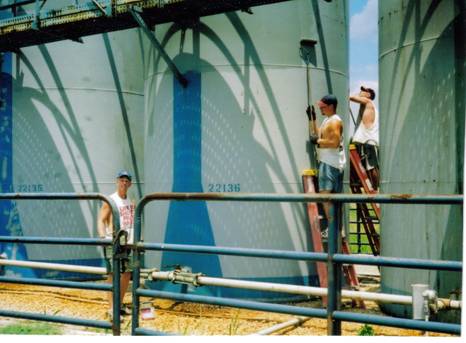
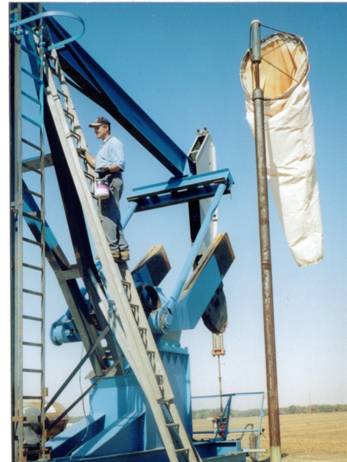
Ceja
(B-600)
Ceji (B-601)
|
Site and contents copyright - Kinmundy
Historical Society (Kinmundy, Illinois) - a nonprofit organization.
(Information and
photos on this site are not to be used for any commercial purpose.
It is free for the enjoyment and research of community and family
information.)
|